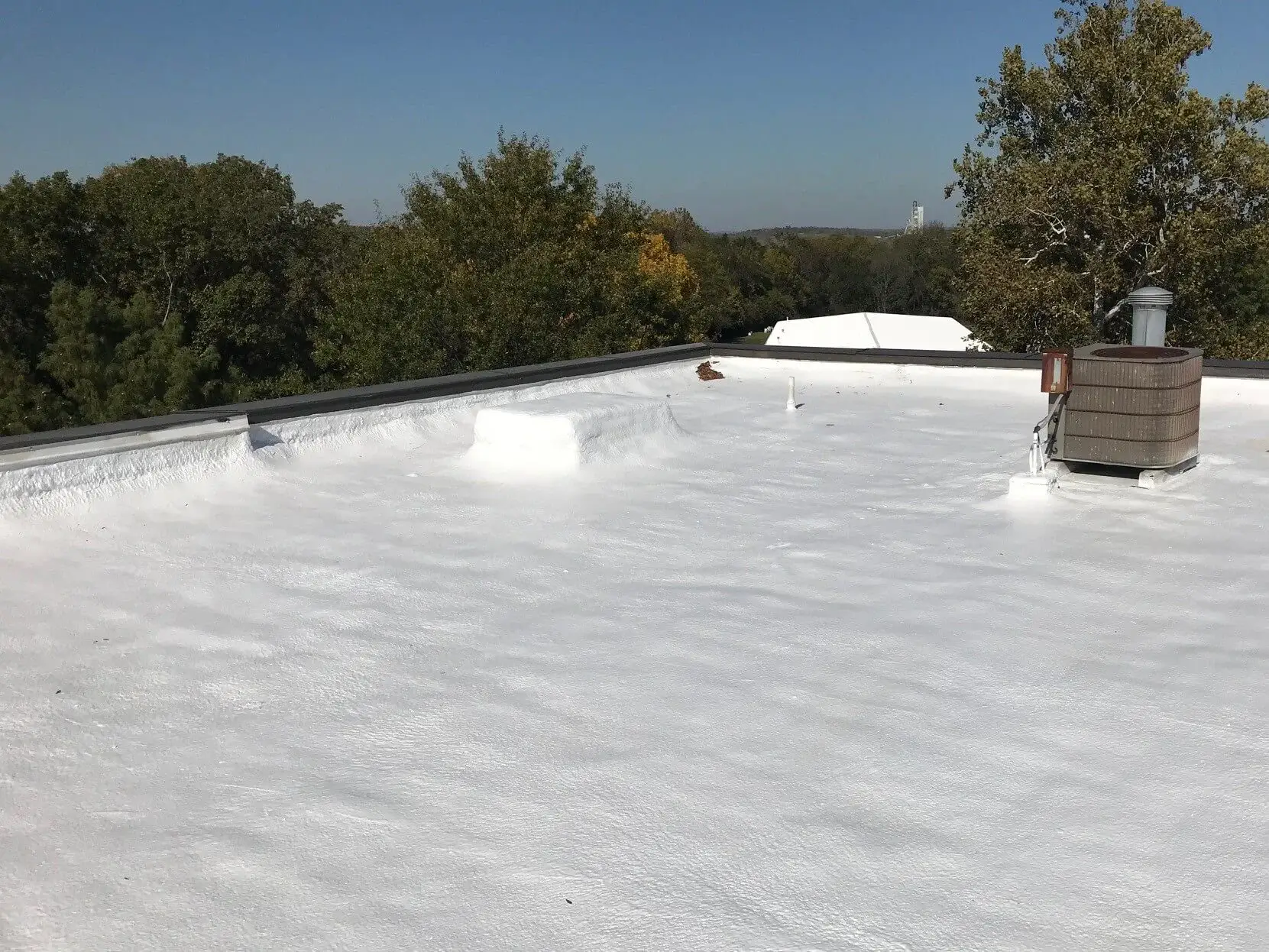
Florida's intense sunshine doesn't just heat your roof - it radiates that heat into your attic, where temperatures can reach 150 degrees or more. Traditional insulation slows this heat transfer, but radiant barriers take a different approach: they reflect the radiant heat before it enters your attic space. Here's what Florida homeowners need to know about this energy-saving technology.
In this guide
We install radiant barriers alongside our attic insulation services, so the two can be planned as one job.
How Radiant Barriers Work
Understanding radiant barriers requires understanding how heat moves.
The Three Types of Heat Transfer
Heat moves in three ways:
- Conduction: Heat moving through solid materials (your insulation slows this)
- Convection: Heat moving through air (your ventilation addresses this)
- Radiation: Heat moving as infrared energy (radiant barriers block this)
The Florida Problem
In Florida's sunny climate:
- Hot sun strikes your roof
- Roofing materials absorb heat
- Underside of roof deck radiates heat downward
- This radiant heat heats everything in the attic
- Heat eventually reaches your living space
Traditional insulation (which addresses conduction) doesn't block this radiant heat efficiently. Radiant barriers do.
How Radiant Barriers Reflect Heat
Radiant barriers are made of highly reflective material, typically aluminum:
- Reflects up to 95% of radiant heat
- Heat never enters the attic air space
- Attic stays significantly cooler
- Less heat transfer to living space
Critical point: Radiant barriers must face an air space to work. Heat must radiate across the air gap to be reflected. If the barrier is in contact with another surface, it conducts heat instead.
Types of Radiant Barriers
Foil-Faced Radiant Barriers
The most effective and common type.
Perforated Foil:
- Tiny holes allow moisture vapor to pass
- Prevents moisture trapping
- Recommended for most installations
- Slightly less reflective than solid
Solid Foil:
- Maximum reflectivity
- Complete vapor barrier
- Requires careful moisture management
- Used where vapor barrier is beneficial
Foil-Faced Insulation:
- Combines radiant barrier with insulation
- Used during new construction
- Applied to rafters or roof deck
Radiant Barrier Sheathing
OSB or plywood with foil laminated to one side.
Characteristics:
- Installed during roofing projects
- Foil faces attic space
- Permanent, no maintenance
- Most effective when installed
Best For:
- New construction
- Roof replacements (when decking replaced)
- Maximum effectiveness
Radiant Barrier Coatings/Paint
Liquid-applied reflective coatings.
Characteristics:
- Painted on underside of roof deck
- Less effective than foil (typically 20-50% reduction)
- Easier to apply in difficult spaces
- More affordable
Best For:
- Complex roof geometries
- Budget-conscious projects
- DIY applications
Installation Methods
Stapled to Rafters (Most Common)
Radiant barrier foil is stapled to the underside of roof rafters.
Installation Process:
- Roll out foil along rafters
- Staple to rafter faces (not deck)
- Leave air gap between foil and roof deck
- Overlap seams 2-3 inches
- Allow for attic ventilation airflow
Advantages:
- Can be done in existing homes
- Relatively simple installation
- Air gap is automatic
- Doesn't interfere with insulation
Challenges:
- Working in hot attic
- Working around obstacles (wiring, pipes)
- Ensuring proper ventilation maintained
Draped Over Insulation
Foil is laid over existing attic floor insulation.
Installation Process:
- Lay foil over insulation loosely
- Foil faces up toward roof
- Leave gaps for ventilation airflow
- Do not seal to attic floor
Considerations:
- Less effective than rafter installation
- Dust accumulation reduces performance
- Can restrict attic access
- Easiest DIY approach
Applied to Roof Deck
Installed during roofing or new construction.
Methods:
- Radiant barrier sheathing (new decking)
- Foil stapled to deck between rafters
- Radiant barrier applied before roofing
Advantages:
- Maximum effectiveness
- Protected from dust
- No attic access needed after installation
- Professional installation ensures quality
Get your Attic Insulation & Ventilation quote.
Free on-site inspection · fast, local scheduling · no pressure.
Radiant Barrier Attic Energy Savings in Florida
How Much Does It Help?
Studies show radiant barriers in Florida can:
- Reduce attic temperatures by 20-30 degrees
- Lower cooling costs by 5-15%
- Reduce heat gain through ceiling by 25-45%
Factors affecting performance:
- Installation quality and coverage
- Type of radiant barrier
- Existing insulation levels
- Home orientation and shade
- Attic ventilation adequacy
When Radiant Barriers Work Best
Maximum benefit:
- Hot, sunny climate (Florida qualifies)
- Limited existing insulation
- Dark roofing materials
- HVAC ducts in attic
- West-facing roof sections
Less beneficial:
- Already well-insulated attics (R-40+)
- Heavy shade on roof
- Light-colored cool roofing already installed
Comparison with Other Upgrades
For a typical Florida home with R-19 attic insulation:
- Adding radiant barrier: 10-15% cooling savings
- Adding insulation to R-38: 10-15% cooling savings
- Both together: 20-25% cooling savings
Radiant barriers and traditional insulation work together - they're not either/or. See our insulation guide for more comparisons.
Cost and ROI
Installation Costs
For a typical 1,500 sq ft attic:
- DIY foil installation: $150-$500 (materials only)
- Professional foil installation: $750-$1,500
- Radiant barrier paint: $200-$600
- Radiant barrier sheathing (new roof): $500-$1,500 additional
Energy Savings
Typical annual savings:
- 10% cooling reduction on $200/month bill = $240/year
- 15% reduction = $360/year
- More savings for larger homes, higher cooling costs
Payback Period
Based on professional installation at $1,000:
- 10% savings ($240/year): ~4 year payback
- 15% savings ($360/year): ~3 year payback
- DIY installation: Often under 2 years
Radiant Barrier Attic Ventilation and Moisture Checks
Ventilation Requirements
Radiant barriers should work with your attic ventilation:
- Maintain all existing intake and exhaust vents
- Don't block airflow along roof deck
- Perforated foil allows moisture escape
- Ensure proper ventilation before installation
Moisture Considerations
In Florida's humid climate:
- Use perforated radiant barrier
- Don't trap moisture in attic
- Ensure good ventilation
- Address any existing moisture issues first
Electrical Safety
Radiant barrier foil is conductive:
- Never allow contact with electrical wiring
- Keep clear of light fixtures and junction boxes
- Install away from recessed lights (fire hazard)
- Verify code compliance in your jurisdiction
Dust Accumulation
Dust reduces radiant barrier effectiveness:
- Rafter installation collects less dust
- Laid-over insulation collects more dust
- Reflective side down (stapled to rafters) stays cleaner
- No maintenance needed for properly installed barriers
DIY vs. Professional Installation
DIY Considerations
Advantages:
- Significant cost savings
- Weekend project for capable homeowners
- Basic tools required (staple gun, utility knife)
Challenges:
- Working in hot attic (do early morning or winter)
- Working around obstacles
- Physical demands of attic work
- Risk of missing spots or improper installation
Tips for DIY:
- Work in cooler weather or early morning
- Wear protective clothing and mask
- Have adequate lighting
- Don't rush - proper coverage matters
- Stay on joists/boards, not insulation
Professional Installation
Advantages:
- Proper coverage ensured
- Safety concerns handled
- Completed quickly
- Often combined with other improvements
Choose professional if:
- Difficult attic access
- Complex roof geometry
- You're not comfortable in attics
- Combining with other insulation work
Combining with Other Improvements
Best Combinations
Radiant barrier works best when combined with:
- Adequate attic insulation (R-38 minimum)
- Proper attic ventilation
- Air sealing at penetrations
- Duct sealing and insulation (if HVAC in attic)
Order of Improvements
If upgrading incrementally:
- First: Air sealing (best ROI)
- Second: Radiant barrier (moderate cost, good ROI)
- Third: Add insulation to R-38 (larger investment)
During Roof Replacement
If you're getting a new roof:
- Consider radiant barrier sheathing
- Often minimal added cost during project
- Most effective installation method
- Protected location
Common Questions
Do radiant barriers reduce roof lifespan?
Properly installed radiant barriers don't harm roofing. Some studies suggest they may slightly extend shingle life by reducing temperature extremes.
Will my attic be too cold in winter?
In Florida, this is rarely a concern. The heating benefit lost is minimal compared to cooling benefit gained. Your heating costs may increase slightly, but cooling savings far exceed this.
Can I combine radiant barrier with cool roofing?
Yes, they work together. Cool roofing reflects heat before it enters the roof; radiant barrier reflects what gets through. Combined, they're very effective.
How long do radiant barriers last?
Properly installed foil radiant barriers last indefinitely - there's nothing to wear out or degrade. The only maintenance issue is dust accumulation, which is minimized with proper installation.
Get your Attic Insulation & Ventilation quote.
Free on-site inspection · fast, local scheduling · no pressure.
Get Expert Advice
At Pro Specialty Services, we help Florida homeowners maximize energy efficiency with appropriate insulation and radiant barrier solutions. We offer radiant barrier installation as well as comprehensive attic insulation services.
Contact us for an assessment of your attic. We'll evaluate your current conditions and recommend the most cost-effective improvements for your Florida home.
More on Insulation & Ventilation
Mobile Home Roof Coating Options: Types and Benefits
Next →Ridge Vent vs Box Vent: Complete Comparison for Florida Roofs [2026]
Get Roofing Tips
Seasonal maintenance reminders and honest advice from the crew. No spam.