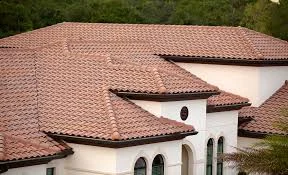
Both concrete and clay tile are popular in Florida. Here's how to choose between these classic tile roofing options.
In this guide
Material Basics
Clay Tile:
Made from natural clay, shaped and fired at high temperatures (around 2000°F). The firing process creates a durable, vitrified (glass-like) surface.
Concrete Tile:
Made from Portland cement, sand, water, and iron oxide pigments. Formed under pressure and cured rather than fired.
Appearance Comparison
Clay:
- Natural color variations within each tile
- Colors go all the way through (won't fade)
- Classic, authentic Mediterranean appearance
- Limited color options (mostly earth tones)
Concrete:
- More uniform color within tiles
- Surface coating may fade over time
- Can mimic clay, slate, or wood shake
- Many more color options available
Durability
Both are extremely durable, but with differences:
| Factor | Clay | Concrete |
|--------|------|----------|
| Lifespan | 75-100+ years | 40-60 years |
| Fade resistance | Excellent | Moderate |
| Breakage resistance | Good | Very Good |
| Weight | Slightly heavier | Heavy |
| Porosity | Lower | Higher |
Clay's longer lifespan comes from its vitrified surface, which is essentially permanent.
Get your Tile Roofing quote.
Free on-site inspection · fast, local scheduling · no pressure.
Cost Comparison
For a 2,000 sq ft roof:
| Factor | Concrete | Clay |
|--------|----------|------|
| Material cost | $8-12/sq ft | $12-20/sq ft |
| Installation | $8-12/sq ft | $10-15/sq ft |
| Total installed | $24,000-40,000 | $36,000-55,000 |
| 50-year cost | ~$40,000 | ~$45,000* |
*Clay may not require replacement in 50 years
Concrete costs 30-50% less initially, but clay may be more economical over a century.
Weight Considerations
Both require structural evaluation:
- Clay: 900-1,200 lbs per square
- Concrete: 900-1,100 lbs per square
Many Florida homes weren't built for tile weight. Adding tile to a shingle-designed structure often requires reinforcement.
If weight is a concern, consider lightweight tile or stone-coated steel.
Florida Climate Performance
Heat:
Both excel at reflecting heat due to thermal mass and reflective properties. The gap between tile and roof deck allows air circulation.
Hurricanes:
With proper installation, both resist high winds. Foam-adhered or clipped tiles meet Florida's wind requirements.
Rain:
Concrete is slightly more porous, potentially absorbing more water. Quality concrete tiles include surface treatments to reduce absorption.
Salt Air:
Clay resists salt better than concrete. For coastal properties, clay is the superior choice.
Maintenance Differences
Clay Maintenance:
- Minimal cleaning needed
- Color stays consistent
- Inspect after storms for breakage
- Replace individual tiles as needed
Concrete Maintenance:
- May need pressure washing for algae/mold
- Can be resealed to extend color life
- Same storm inspection needs
- Slightly more susceptible to staining
Profile Options
Both come in similar profiles:
- Barrel/Mission: Classic curved S-shape
- Flat/Slate: Flat profile mimicking slate
- S-Tile: Wavy pattern, very common in Florida
- Shake: Textured to look like wood
Concrete offers more variety in textures and colors within each profile.
Making Your Decision
Choose Clay When:
- Maximum lifespan is priority
- Authentic Mediterranean look is important
- Coastal salt exposure is a factor
- Budget allows for premium investment
- You value color permanence
Choose Concrete When:
- Initial budget is constrained
- Specific color is needed
- Matching existing neighborhood tiles
- Good value is priority over maximum lifespan
- You may recoat to change color later
Get your Tile Roofing quote.
Free on-site inspection · fast, local scheduling · no pressure.
Our Recommendation
For most Florida homes, concrete tile offers excellent value and performance. Choose clay if you're building your forever home and want the longest possible lifespan.
Either way, proper structural evaluation and professional installation are essential for tile roofing success.
Related Services
More on Tile Roofing
Commercial Roof Types Florida
Next →Emergency Roof Repair: What to Do When Disaster Strikes
Get Roofing Tips
Seasonal maintenance reminders and honest advice from the crew. No spam.