Table of Contents
Mobile and manufactured homes require different roofing considerations than site-built houses. Whether you're maintaining an existing mobile home roof or planning a replacement, understanding your options helps you make informed decisions. This guide covers everything Lake County mobile home owners need to know about roofing choices.
Understanding Mobile Home Roof Construction
Mobile home roofs differ fundamentally from traditional residential roofing.
How Mobile Home Roofs Are Built
Most mobile homes feature:
- Lighter framing: Roof trusses designed for mobile transportation
- Lower pitch: Typically 2:12 to 4:12 slope (flatter than site-built homes)
- Thinner decking: Often 3/8" or 7/16" OSB instead of 1/2" or 5/8"
- Different load capacity: Designed for lighter roofing materials
- Unique sealing points: Seams where sections join during manufacturing
Why Standard Roofing Doesn't Always Work
The structural differences mean:
- Heavy materials like tile aren't suitable
- Installation techniques must account for flexibility
- Weight limits restrict some options
- Hurricane strapping is different than site-built homes
Original Mobile Home Roof Types
Understanding your current roof helps determine replacement options.
Metal Panel Roofing (Most Common)
The majority of mobile homes feature metal roofing from the factory.
Characteristics:
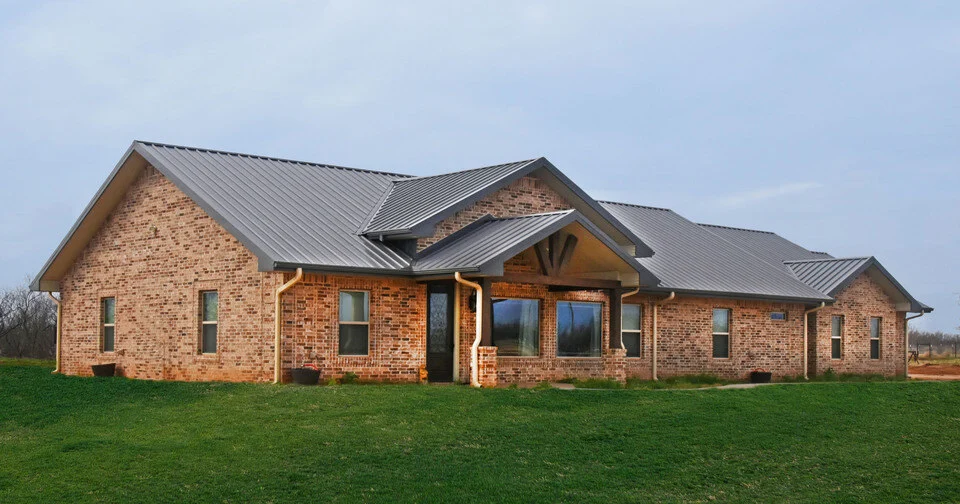
- Aluminum or galvanized steel panels
- Seams run length of home
- Typically white or light colored
- Sealed with caulk or tape at seams
- 20-30 year lifespan with maintenance
Common Problems:
- Seam failures (most common leak source)
- Rust on steel panels
- Dents and damage
- Chalking and fading
- Fastener backing out
Membrane Roofing
Some newer or re-roofed mobile homes have membrane systems.
Types include:
- TPO (Thermoplastic Polyolefin)
- EPDM (rubber roofing)
- Modified bitumen
Characteristics:
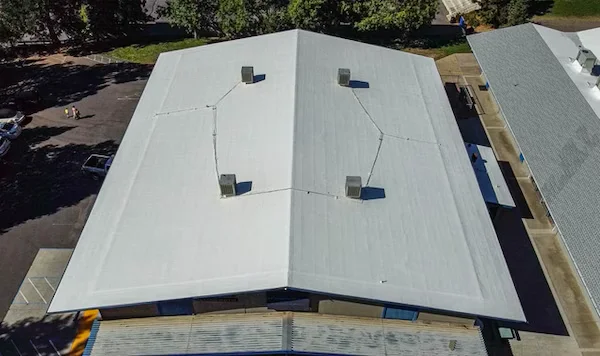
- Single continuous waterproof layer
- Often installed over existing metal
- 15-25 year lifespan
- Better watertight performance than metal
Shingled Mobile Home Roofs
Higher-end manufactured homes may have shingle roofs.
Characteristics:
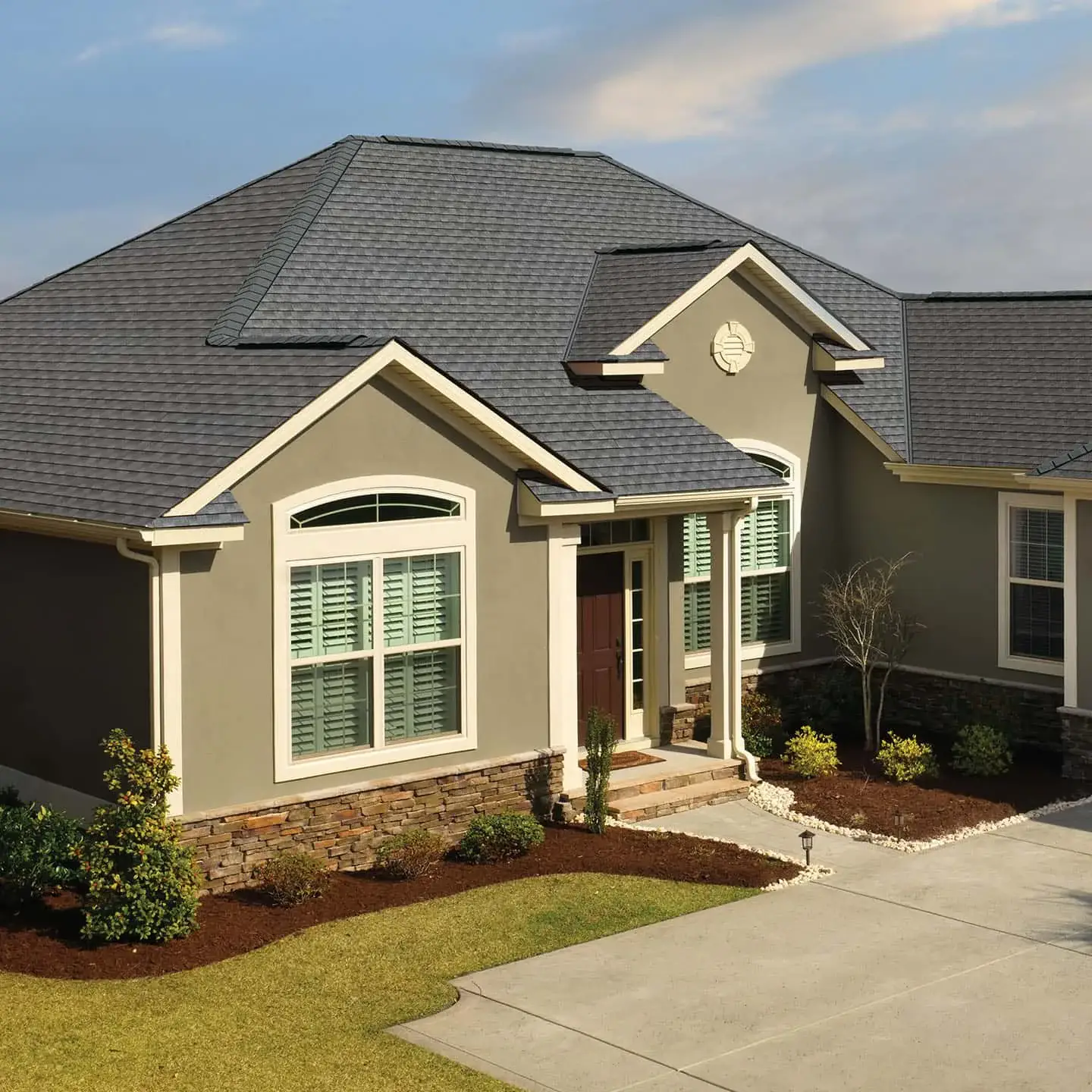
- Typically 3-tab or lightweight architectural shingles
- Requires adequate roof pitch (3:12 minimum)
- Looks like traditional home
- 15-25 year lifespan
Considerations:
- Weight must be within structural limits
- Requires proper ventilation
- Insurance companies may view favorably
Roof-Over Systems: The Popular Solution
Roof-overs install a new roof structure over the existing roof.
How Roof-Overs Work
A roof-over system involves:
- Installing new framing over existing roof
- Creating slight pitch for drainage
- Installing new roofing material on top
- Optional insulation between layers
Metal Roof-Over
The most common roof-over choice for mobile homes.
Benefits:
- Creates air gap for insulation and cooling
- New watertight surface
- No tear-off required
- 30-40 year lifespan
- Improved hurricane resistance when properly engineered
Cost range: $4,500 - $12,000 for single-wide; $8,000 - $18,000 for double-wide
Shingle Roof-Over
Adds pitched roof with shingle covering.
Benefits:
- Traditional home appearance
- Improved insulation space
- May improve insurance options
- 20-30 year lifespan
Cost range: $6,000 - $15,000 for single-wide; $10,000 - $25,000 for double-wide
Learn more about mobile home roofing services.
Roof Replacement vs. Roof-Over
Understanding when each option makes sense.
When Roof-Over Is Best
Choose a roof-over when:
- Existing structure is sound
- Deck and framing aren't rotted
- You want maximum lifespan
- Budget allows for larger investment
- Energy efficiency is a priority
When Replacement Is Better
Consider direct replacement when:
- Existing roof has minimal problems
- Budget is limited
- You don't need added insulation
- Height restrictions are a concern
- Weight capacity is limited
When Neither Works
If the structure has significant damage (rotted decking, failed trusses), neither option works without major structural repairs first.
Roof Coating: The Maintenance Option
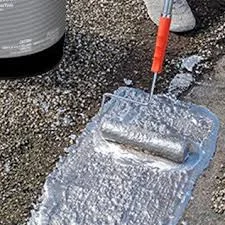
Coatings extend existing roof life without replacement.
When Coating Makes Sense
Coating is appropriate when:
- Existing roof is structurally sound
- Only minor leaks at seams
- Extending roof life 5-15 years
- Budget is limited
- Preparing home for sale
Types of Mobile Home Roof Coatings
Elastomeric (Acrylic) Coating:
- Most common choice
- Flexible, handles expansion/contraction
- White for maximum heat reflection
- Cost: $1.50 - $3.00/sq ft
- Lifespan: 8-12 years
Silicone Coating:
- Premium option
- Handles ponding water well
- Best for flat sections
- Cost: $2.50 - $4.50/sq ft
- Lifespan: 15-20 years
Aluminum Coating:
- Highly reflective
- Good for metal roofs
- Budget-friendly
- Cost: $0.75 - $1.50/sq ft
- Lifespan: 5-8 years
For detailed coating information, see our mobile home roof coating guide.
Cost Comparison by Roof Type
Here's what Lake County mobile home owners typically pay.
Single-Wide Mobile Home (approximately 900 sq ft roof)
| Roof Option | Cost Range | Lifespan |
|-------------|-----------|----------|
| Roof coating | $1,500 - $3,500 | 8-15 years |
| Metal panel replacement | $3,500 - $7,000 | 25-35 years |
| TPO membrane | $4,000 - $8,000 | 20-25 years |
| Metal roof-over | $5,000 - $10,000 | 35-45 years |
| Shingle roof-over | $6,000 - $14,000 | 25-35 years |
Double-Wide Mobile Home (approximately 1,800 sq ft roof)
| Roof Option | Cost Range | Lifespan |
|-------------|-----------|----------|
| Roof coating | $2,500 - $6,000 | 8-15 years |
| Metal panel replacement | $6,000 - $12,000 | 25-35 years |
| TPO membrane | $7,000 - $14,000 | 20-25 years |
| Metal roof-over | $9,000 - $18,000 | 35-45 years |
| Shingle roof-over | $12,000 - $24,000 | 25-35 years |
Florida-Specific Considerations
Our climate affects mobile home roofing choices.
Hurricane Resistance
Mobile homes face significant hurricane risks:
- Metal roof-overs: Can be engineered for high winds when properly installed
- Membrane roofs: Good wind resistance, fewer pieces to blow off
- Standard metal panels: Seam failures common in high winds
- Shingle roof-overs: Must be installed with high-wind specifications
For hurricane preparation, read our mobile home hurricane prep guide.
Heat Management
Florida sun bakes mobile home roofs:
- White/light colors essential: Dark roofs dramatically increase cooling costs
- Reflective coatings: Significant energy savings (20-30%)
- Roof-over air gap: Provides insulation value
- Added insulation: Major comfort improvement
Moisture and Humidity
High humidity creates challenges:
- Seam sealants fail faster in humidity
- Condensation under roofing causes problems
- Proper ventilation is essential
- Membrane roofs handle humidity better than metal seams
Choosing the Right Mobile Home Roof
Consider these factors for your situation.
Budget Considerations
- Limited budget: Quality coating on sound roof
- Moderate budget: Metal panel replacement or membrane
- Best long-term value: Metal roof-over with insulation
- Maximum investment: Shingle roof-over for traditional appearance
Condition Assessment
Before deciding, evaluate:
- Deck condition: Any soft spots or rot?
- Framing integrity: Signs of sagging or damage?
- Current leak sources: Seams, fasteners, or structural?
- Insulation status: Wet or compressed insulation?
Professional inspection recommended before major roofing decisions.
Long-Term Plans
Your plans affect the right choice:
- Selling soon: Coating or basic replacement may suffice
- Living there long-term: Invest in roof-over for maximum benefit
- Rental property: Balance durability with cost recovery
Energy Efficiency Goals
If reducing energy costs is a priority:
- Roof-over with added insulation provides best results
- Reflective coating on existing roof is budget alternative
- White or light-colored materials essential
- Consider attic ventilation improvements
For energy efficiency tips, see our mobile home energy savings guide.
Installation Considerations
Mobile home roofing requires specialized expertise.
Finding Qualified Contractors
Look for contractors who:
- Specialize in mobile/manufactured home work
- Understand HUD construction standards
- Have experience with your specific roof type
- Provide proper engineering for roof-overs
- Understand mobile home park requirements
Permits and Regulations
Mobile home roofing may require:
- Building permits (varies by jurisdiction)
- Mobile home park approval
- HUD-compliant materials and methods
- Engineering for structural modifications
Common Mistakes to Avoid
- Installing too-heavy materials without structural verification
- Ignoring existing damage before covering with new roof
- Inadequate seam sealing on metal roofs
- Skipping proper ventilation in roof-overs
- Using incompatible coating products
Maintenance by Roof Type
Keep your mobile home roof in top condition.
Metal Panel Maintenance
- Inspect seams annually: Before and after hurricane season
- Reseal as needed: Use compatible sealants
- Check fasteners: Tighten or replace loose screws
- Clean debris: Keep surface clear
- Touch up scratches: Prevent rust formation
Membrane Roof Maintenance
- Annual inspection: Check for punctures, lifting, or seam issues
- Keep clean: Remove debris and organic matter
- Trim trees: Prevent branch damage
- Address ponding: Improve drainage if water sits
Coating Maintenance
- Inspect annually: Look for wear, peeling, or exposed areas
- Clean surface: Pressure wash periodically
- Re-coat as needed: Touch up worn areas
- Plan reapplication: Every 8-15 years depending on product
See our mobile home roof coating vs. replacement article for more guidance.
Making Your Decision
Here's a summary framework for choosing your mobile home roof.
Decision Tree
Is your existing roof structurally sound?
- NO: Address structural issues first, then choose roof system
- YES: Continue to next question
Are you experiencing leaks?
- NO, just cosmetic issues: Consider quality coating
- YES, at seams only: Coating may work if structure is sound
- YES, multiple sources: Consider replacement or roof-over
What's your budget?
- Limited ($1,500-$4,000): Quality coating
- Moderate ($4,000-$10,000): Metal replacement or membrane
- Substantial ($8,000-$20,000+): Roof-over system
How long will you stay?
- Less than 5 years: Coating or basic replacement
- 5-15 years: Metal replacement or membrane
- 15+ years: Roof-over for maximum lifespan and efficiency
The Bottom Line on Mobile Home Roofs
Mobile home roofing success comes down to:
- Honest assessment of current roof condition
- Matching solution to budget and time frame
- Choosing qualified contractors who understand mobile homes
- Proper installation with attention to Florida's climate demands
- Regular maintenance to maximize lifespan
At Pro Specialty Services, we specialize in mobile home roofing throughout Lake County. From simple coating applications to complete roof-over systems, we can assess your situation and recommend the right solution for your home and budget. Contact us for a free inspection and estimate.
Caleb Hutchinson
Owner, Pro Specialty Services
"I've worked on hundreds of mobile home roofs in Lake County, and I've seen what works and what doesn't in our Florida climate. The most common mistake is either over-investing in a home you're selling soon, or under-investing in a home you'll live in for decades. Match your roof investment to your situation, and always address any structural issues before putting on a new roof surface."