Table of Contents
Mobile homes face unique hurricane challenges. With proper preparation, you can significantly improve your home's ability to withstand Florida storms. Here's your complete prep checklist.
Roof Preparation
Your mobile home roof is your first line of defense:
Inspect and Repair:
- Check for loose or damaged panels
- Ensure all seams are properly sealed
- Verify flashing around vents and edges is secure
- Look for rust, corrosion, or deterioration
Consider Upgrades:
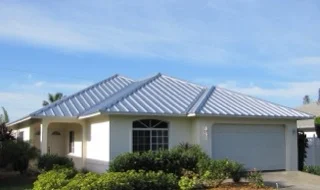
- Metal roof-overs add significant wind resistance
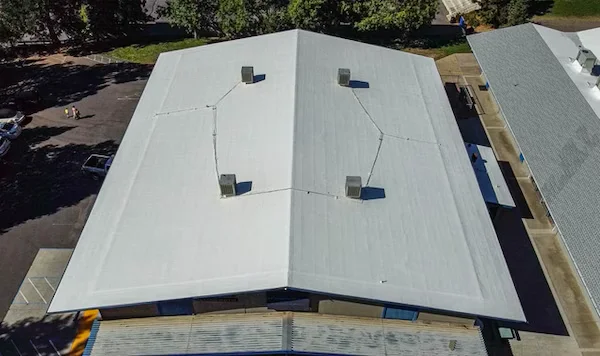
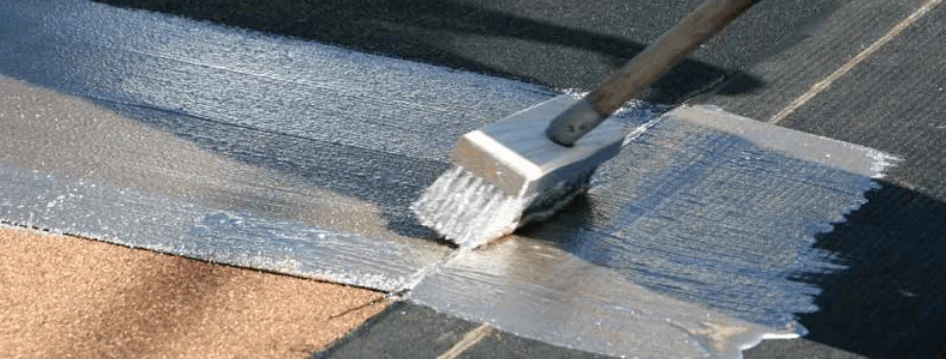
- Roof coatings can seal vulnerable seams
- Hurricane straps tie the roof to the walls
Anchoring and Tie-Downs
Florida requires mobile homes to meet specific anchoring standards:
Verify Your Tie-Down System:
- Over-the-top ties (usually 2-4)
- Frame anchors/ties (usually 4-8)
- Ground anchors in proper condition
Upgrade if Needed:
- Older homes may have inadequate anchoring
- Post-1999 homes should meet HUD wind zone standards
- Consider professional anchor inspection
Skirting Protection
Your mobile home skirting affects wind dynamics:
- Secure or remove loose panels before storms
- Install skirting with proper venting to equalize pressure
- Consider impact-resistant skirting materials
- Ensure access panels are secured
Window and Door Protection
Mobile home windows and doors are vulnerable points:
Options for Protection:
- Storm shutters (most effective)
- Plywood covers (measure and pre-cut now)
- Impact-resistant window film (minimal protection)
- Replace single-pane with impact-rated windows
Door Security:
- Install deadbolts on all entry doors
- Reinforce door frames
- Ensure outward-opening doors have adequate hinges
Structural Considerations
Check your home's overall condition:
- Home leveling should be verified annually
- Look for soft spots in flooring
- Check wall/ceiling connections
- Ensure additions (carports, rooms) are properly attached
Emergency Kit Essentials
Have supplies ready before hurricane season:
- Water (1 gallon per person per day, 7-day supply)
- Non-perishable food
- Medications and first aid
- Important documents in waterproof container
- Flashlights, batteries, portable radio
- Cash (ATMs may not work)
Know Your Evacuation Plan
Critical: Mobile homes are NOT safe shelter during hurricanes.
Florida law allows park owners to require evacuation during emergencies. Know:
- Your county's evacuation zones
- Nearest public shelter locations
- Pet-friendly shelter options
- Routes to inland destinations
Before the Storm Arrives
48-72 Hours Out:
- Fill vehicles with gas
- Secure outdoor furniture and decorations
- Move vehicles away from trees
- Take photos/video of home condition for insurance
24 Hours Out:
- Install shutters/plywood
- Turn refrigerator to coldest setting
- Fill bathtub with water (for flushing)
- Charge all devices
- Prepare to evacuate
After the Storm
Before returning to your mobile home:
- Wait for official all-clear
- Approach cautiously, watching for downed lines
- Document any damage before cleanup
- Don't enter if structural damage is visible
- Contact insurance promptly
Year-Round Preparation
The best hurricane prep happens before the season:
- Schedule annual maintenance inspections
- Address small issues before they become vulnerabilities
- Keep trees and vegetation trimmed
- Review insurance coverage annually
Need help preparing your mobile home? We specialize in hurricane-ready upgrades for manufactured housing throughout Central Florida.