Table of Contents
Roof coatings offer mobile home owners an affordable way to extend roof life, stop leaks, and reduce energy costs. But with multiple coating types available, choosing the right one matters. This guide helps Lake County mobile home owners understand their coating options and make informed decisions.
When Roof Coating Makes Sense
Before exploring coating types, let's confirm coating is the right solution for your situation.
Good Candidates for Coating
Roof coating works well when:
- Existing roof is structurally sound
- Deck and framing show no rot or damage
- Leaks are limited to seams or minor areas
- Current roof has 5+ years remaining life to extend
- Budget is limited compared to replacement costs
When Coating Won't Work
Skip coating and consider replacement when:
- Roof has multiple severe leak sources
- Decking is soft or water-damaged
- Previous coatings have failed
- Structure shows sagging or deformation
- Insulation is saturated with water
For a detailed comparison, see our article on coating vs. replacement.
Types of Mobile Home Roof Coatings
Four main coating types dominate the mobile home market.
Elastomeric (Acrylic) Coatings
The most popular choice for mobile home roofs.
What It Is:
Elastomeric coatings are water-based acrylic formulations that form a flexible, waterproof membrane when dry. The 'elastomeric' name refers to their ability to stretch and recover.
Key Characteristics:
- Flexibility: Stretches up to 300% to accommodate thermal expansion
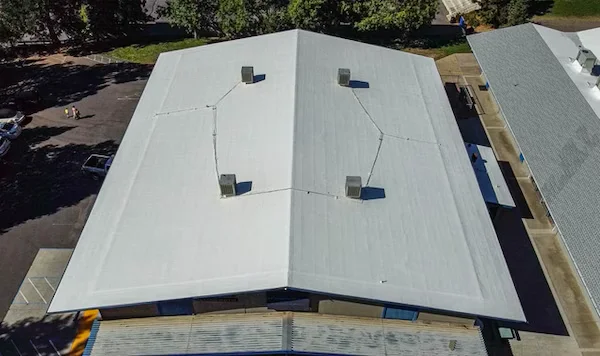
- Reflectivity: White coatings reflect 80-90% of solar radiation
- Adhesion: Bonds well to metal, membrane, and most roof surfaces
- Breathability: Allows some moisture vapor transmission
- UV Resistance: Formulated to resist Florida's intense sun
Performance:
- Lifespan: 8-12 years with proper application
- Re-coating: Can be renewed with additional coats
- Coverage: 50-100 sq ft per gallon (thickness dependent)
- Dry time: 24-48 hours (weather dependent)
Cost:
- Material: $75-$150 per 5-gallon pail
- Applied cost: $1.50-$3.00 per sq ft
- Single-wide total: $1,500-$3,000
- Double-wide total: $2,500-$5,500
Best For:
- Metal mobile home roofs
- Roofs with good existing condition
- Budget-conscious applications
- DIY-capable homeowners (with proper preparation)
Brands to Consider:
- Henry Tropi-Cool
- Kool Seal Premium
- Dicor EPDM Coating
- Geocel Pro Flex RV
Silicone Coatings
Premium option with superior performance characteristics.
What It Is:
Silicone coatings are moisture-cured, 100% silicone formulations that create an exceptionally durable, waterproof barrier. They're considered the premium choice for flat and low-slope roofs.
Key Characteristics:
- Ponding tolerance: Handles standing water better than any alternative
- UV stability: Exceptional resistance to sun degradation
- Flexibility: Maintains elasticity over wide temperature range
- Longevity: Outlasts other coating types significantly
- Chemical resistance: Resists most environmental contaminants
Performance:
- Lifespan: 15-20+ years with proper application
- Re-coating: Possible but requires specific technique
- Coverage: 75-100 sq ft per gallon
- Dry time: 24-72 hours (moisture dependent)
Cost:
- Material: $150-$300 per 5-gallon pail
- Applied cost: $2.50-$4.50 per sq ft
- Single-wide total: $2,500-$4,500
- Double-wide total: $4,500-$8,000
Best For:
- Flat sections prone to ponding water
- Long-term ownership situations
- Roofs needing maximum protection
- Areas with heavy rainfall
Brands to Consider:
- GacoRoof Silicone Coating
- Henry 887 Tropi-Cool
- Mule-Hide Silicone
- Karnak Karnasil
Aluminum Coatings
Traditional, budget-friendly option with high reflectivity.
What It Is:
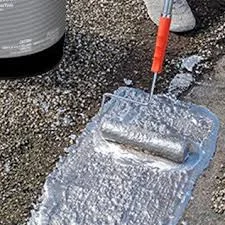
Aluminum coatings consist of aluminum flakes suspended in asphalt or synthetic base. The aluminum provides reflectivity while the base provides waterproofing.
Key Characteristics:
- High reflectivity: Aluminum particles reflect significant solar radiation
- Fibered options: Added fibers improve bridging of cracks
- Traditional product: Proven track record over decades
- Lower flexibility: Less elastic than elastomeric or silicone
- Appearance: Distinctive silver/metallic finish
Performance:
- Lifespan: 5-8 years typical
- Re-coating: Easily recoated as needed
- Coverage: 50-75 sq ft per gallon
- Dry time: 24-48 hours
Cost:
- Material: $40-$80 per 5-gallon pail
- Applied cost: $0.75-$1.50 per sq ft
- Single-wide total: $700-$1,500
- Double-wide total: $1,400-$2,700
Best For:
- Budget-limited situations
- Short-term solutions
- Preparing home for sale
- Metal roof surfaces specifically
Brands to Consider:
- Kool Seal Aluminum Coating
- Henry Silver Coat
- Gardner Mobile Home Roof Coating
- Black Jack Aluminum Coating
Rubber (EPDM) Coatings
Specialty coatings for rubber membrane roofs.
What It Is:
Liquid rubber coatings designed specifically for EPDM and other rubber membrane roofs. They restore and protect existing rubber surfaces.
Key Characteristics:
- Compatibility: Formulated for rubber surfaces
- Flexibility: Matches EPDM expansion characteristics
- Adhesion: Bonds chemically to rubber membranes
- Restoration: Revitalizes aged rubber roofing
Performance:
- Lifespan: 10-15 years on rubber roofs
- Re-coating: Straightforward when needed
- Coverage: 50-100 sq ft per gallon
- Dry time: 24-48 hours
Cost:
- Material: $100-$200 per 5-gallon pail
- Applied cost: $2.00-$3.50 per sq ft
- Single-wide total: $2,000-$3,500
- Double-wide total: $3,600-$6,300
Best For:
- Existing EPDM membrane roofs
- Rubber membrane restoration
- Seam repair and reinforcement
Brands to Consider:
- Dicor EPDM Roof Coating
- Geocel EPDM Rubber Coating
- Liquid Rubber RV Roof Coating
Comparison: Which Coating Is Best?
Choose based on your specific situation.
By Roof Type
| Current Roof Type | Best Coating Option |
|------------------|---------------------|
| Metal panels (most mobile homes) | Elastomeric or Silicone |
| EPDM/rubber membrane | Rubber (EPDM) coating |
| TPO membrane | Silicone or compatible elastomeric |
| Previously coated | Match existing or compatible product |
By Budget
| Budget Level | Recommended Coating |
|-------------|---------------------|
| Minimal ($700-$1,500) | Aluminum coating |
| Moderate ($1,500-$3,500) | Elastomeric coating |
| Premium ($3,500-$8,000) | Silicone coating |
By Time Horizon
| How Long You're Staying | Recommended Coating |
|------------------------|---------------------|
| 1-3 years | Aluminum (budget) |
| 3-8 years | Elastomeric |
| 8-15+ years | Silicone |
By Problem Type
| Main Concern | Best Solution |
|-------------|---------------|
| Energy costs/cooling | White elastomeric or silicone |
| Ponding water | Silicone (handles ponding best) |
| Seam leaks only | Elastomeric with seam tape |
| General aging | Elastomeric or silicone |
| Preparing to sell | Aluminum (cost-effective) |
Florida-Specific Recommendations
Our climate affects coating performance.
Heat and UV Exposure
Florida's intense sun demands:
- White/light colors: Essential for heat reduction
- UV-stable formulations: Low-quality coatings fail quickly
- Proper mil thickness: Thicker application lasts longer
Top picks for heat management:
- Silicone (highest UV stability)
- Premium elastomeric (good UV resistance)
- Avoid dark colors regardless of type
Heavy Rainfall
Florida's downpours require:
- Good drainage before coating: Address ponding causes
- Ponding-tolerant coatings: Silicone excels here
- Proper seam preparation: Weakest points in heavy rain
Top picks for rain performance:
- Silicone (ponding tolerant)
- Elastomeric with reinforcement (good performance)
- Avoid aluminum for flat areas with ponding
Hurricane Considerations
Coatings don't provide structural hurricane protection, but they can:
- Seal potential leak points before storms
- Provide added protection for seams and edges
- Reduce post-storm water intrusion
See our mobile home hurricane prep guide for complete preparation advice.
Application Process
Proper application determines coating success.
Professional vs. DIY
DIY Application:
- Possible for handy homeowners
- Requires proper safety equipment (fall protection)
- Must follow manufacturer instructions exactly
- Risk of poor preparation compromising results
- Cost savings: 40-60% of professional cost
Professional Application:
- Ensures proper surface preparation
- Correct product selection for your roof
- Proper mil thickness and coverage
- Warranty on workmanship
- Usually completed in 1-2 days
Our recommendation: For most homeowners, professional application is worth the investment. Improper preparation or application leads to premature failure.
Application Steps
- Inspection: Identify all problem areas
- Cleaning: Pressure wash, remove all debris and loose material
- Repairs: Seal seams, patch holes, address rust
- Primer: Apply if required by coating manufacturer
- First coat: Apply at proper thickness
- Second coat: Apply perpendicular to first coat
- Inspection: Verify complete coverage and proper thickness
Common Application Mistakes
- Skipping or inadequate surface preparation
- Applying too thin (saving material but reducing lifespan)
- Coating over wet surfaces
- Applying in wrong weather conditions
- Not sealing seams before coating
- Using incompatible products
Cost Analysis: Coating vs. Other Options
Understanding the value proposition of coating.
Coating vs. Metal Replacement
For a double-wide mobile home:
| Option | Cost | Lifespan | Cost per Year |
|--------|------|----------|---------------|
| Quality elastomeric coating | $4,000 | 10 years | $400/year |
| Metal panel replacement | $10,000 | 30 years | $333/year |
Analysis: Replacement has better long-term value, but coating has lower upfront cost.
Coating vs. Roof-Over
For a double-wide mobile home:
| Option | Cost | Lifespan | Cost per Year |
|--------|------|----------|---------------|
| Quality silicone coating | $6,000 | 18 years | $333/year |
| Metal roof-over | $14,000 | 40 years | $350/year |
Analysis: Premium coating approaches roof-over value with much lower investment.
When Coating Provides Best Value
Coating makes most financial sense when:
- Roof has 10+ years of structural life remaining
- You're staying 5-15 years
- Capital is limited
- Energy savings from reflective coating have value
Maintaining Your Coated Roof
Maximize coating lifespan with proper care.
Annual Inspection
Check your coating annually for:
- Worn areas showing substrate
- Peeling or lifting sections
- Ponding water areas
- Debris accumulation
- Tree branch damage
Cleaning
- Remove leaves and debris seasonally
- Gentle pressure washing every 2-3 years
- Avoid harsh chemicals that may damage coating
- Keep gutters and drainage clear
Touch-Up and Maintenance
- Address worn areas promptly with matching coating
- Re-seal any exposed seams
- Plan for re-coating before failure
- Keep records of application date and product used
Making Your Decision
Here's a summary framework for choosing your coating.
Quick Decision Guide
Choose Elastomeric if:
- Metal roof in fair to good condition
- Moderate budget ($1,500-$3,500)
- Planning to stay 5-10 years
- Want good balance of cost and performance
Choose Silicone if:
- Flat areas with ponding water
- Long-term ownership (10+ years)
- Premium performance is priority
- Budget allows ($3,500-$8,000)
Choose Aluminum if:
- Very limited budget
- Short-term solution (1-5 years)
- Preparing home for sale
- Metal roof specifically
Choose Rubber/EPDM if:
- Existing rubber membrane roof
- Need compatibility with EPDM
- Restoring aged rubber roofing
Getting Professional Help
When hiring a contractor for roof coating:
What to Look For
- Experience with mobile/manufactured homes
- Knowledge of different coating types
- Proper surface preparation process
- Written warranty on application
- References from mobile home work
Questions to Ask
- What coating product do you recommend and why?
- How do you prepare the surface before coating?
- What thickness do you apply?
- What warranty do you provide?
- Can you show me similar mobile home projects?
At Pro Specialty Services, we provide professional roof coating services for mobile homes throughout Lake County. We assess your roof condition, recommend the right coating type, and ensure proper application for maximum lifespan. Contact us for a free roof evaluation and coating estimate.
Caleb Hutchinson
Owner, Pro Specialty Services
"I've applied all types of roof coatings on mobile homes, and here's the truth: preparation matters more than the product. A budget aluminum coating applied over a properly cleaned, repaired surface will outlast a premium silicone coating slapped over a dirty roof. That said, if you're investing in professional application anyway, the small extra cost for elastomeric or silicone is usually worth it. The energy savings alone often pay the difference within a few years."