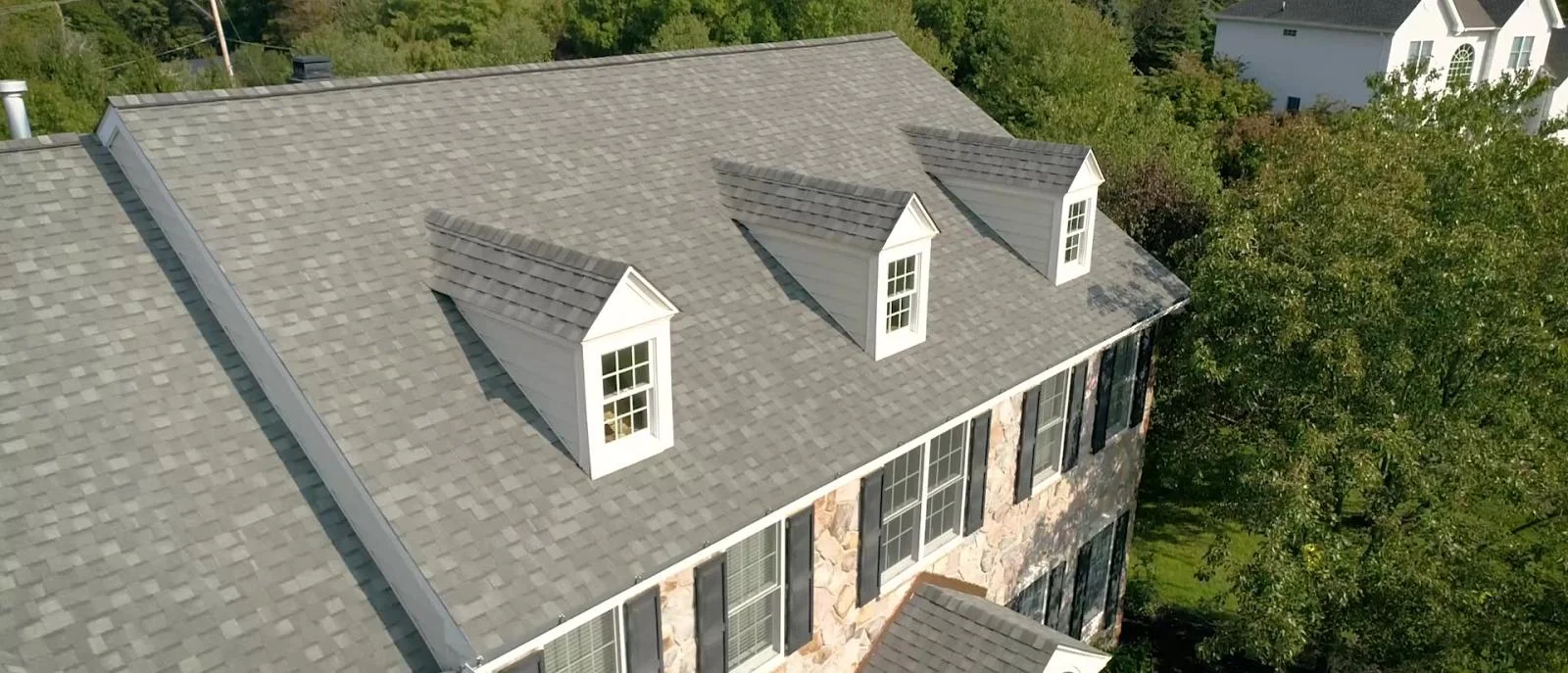
Florida's climate is tough on roofs. Understanding realistic shingle lifespans helps you plan maintenance, budgets, and replacement timing.
In this guide
Florida Shingle Lifespan Reality
Manufacturer warranties often claim 25-50 years. In Florida, expect significantly less:
| Shingle Type | Warranty | Florida Reality |
|--------------|----------|-----------------|
| 3-Tab | 20-25 years | 12-18 years |
| Architectural | 30-50 years | 18-25 years |
| Designer/Luxury | 50 years+ | 22-30 years |
| Impact-Resistant | 30-50 years | 20-28 years |
Florida shingles typically last 30-40% less than the same products in northern climates.
Why Florida Shortens Shingle Life
UV Radiation:
Florida's intense sunlight degrades shingle components year-round:
- Volatile compounds evaporate from asphalt
- Shingles become brittle and crack
- Color fading accelerates
- Granule adhesion weakens
Heat:
Temperatures exceeding 150°F on roof surfaces:
- Accelerate chemical degradation
- Cause thermal expansion stress
- Soften asphalt (especially with poor ventilation)
Humidity:
Our high humidity contributes to:
- Algae growth (though most shingles now resist this)
- Moisture cycling stress
- Potential mold development
Storms:
Hurricane season takes its toll:
- Wind lifts and damages shingles
- Debris causes direct damage
- Heavy rains test water resistance
Factors That Extend Shingle Life
Proper Ventilation:
Good attic ventilation can add 5-7 years to shingle life:
- Reduces heat buildup
- Lowers moisture accumulation
- Prevents premature aging
Quality Installation:
Correct installation protects against premature failure:
- Proper nail placement
- Adequate fasteners (6 nails in Florida)
- Correct underlayment
Regular Maintenance:
Basic maintenance extends life:
- Keeping debris cleared
- Trimming overhanging branches
- Prompt repair of damage
- Gutter maintenance
Product Quality:
Premium shingles last longer:
- Better granule adhesion
- Higher-quality asphalt
- Enhanced flexibility
Get your Asphalt Shingle Roofing quote.
Free on-site inspection · fast, local scheduling · no pressure.
Signs Your Shingles Are Aging
Watch for these indicators:
- Curling or cupping at edges
- Granule loss (check gutters)
- Cracking or breaking shingles
- Missing shingles after storms
- Dark streaking (algae, though mostly cosmetic)
- Increasing interior temperatures
When to Replace vs Repair
Repair typically appropriate when:
- Damage is localized
- Roof is under 15 years old
- Overall condition is good
- Budget requires extending life
Replacement makes sense when:
- Roof is over 15-18 years (3-tab) or 20+ years (architectural)
- Widespread granule loss visible
- Multiple leaks developing
- Insurance requires it
- Planning major renovations
Planning for Replacement
Smart planning for Florida homeowners:
- Year 12-15: Begin monitoring closely, budget planning
- Year 15-18: Schedule professional inspection
- Year 18-22: Plan replacement timing
- Year 22+: Consider replacement priority
Extending Your Current Roof
To maximize remaining life:
- Schedule annual inspections
- Repair damage promptly
- Ensure proper ventilation
- Keep trees trimmed back
- Maintain gutters
These steps can add 2-5 years to an aging roof.
Our Recommendation
Don't wait for failure. In Florida's insurance environment, proactive replacement often makes more sense than emergency repairs. Roofs over 15-20 years old may face insurance challenges regardless of condition.
Schedule a roof inspection to understand your shingles' remaining life and plan accordingly.
Related Services
More on Shingle Roofing
Get Roofing Tips
Seasonal maintenance reminders and honest advice from the crew. No spam.