"What does it cost to build a custom home in Lake County?" is the first question almost every homeowner asks, and the honest answer is: it depends—on size, finishes, your lot, and design complexity. But you can still plan a realistic budget. This guide breaks down the real cost drivers for a custom home in Central Florida so you walk into the process informed. When you're ready for a number tailored to your plans and lot, our custom home building team will give you a detailed written estimate.
In this guide
Per-Square-Foot: A Starting Point, Not a Quote
Builders love to quote a per-square-foot price because it's simple, but it hides almost everything that matters. As a rough planning anchor in the Lake County market, custom homes commonly land in a wide band depending on finish level:
- Builder-grade / value finishes: lower end of the range
- Mid-grade custom finishes: the middle of the range
- High-end custom (premium materials, complex design): the top of the range and above
Two homes with identical square footage can differ dramatically in price based on finishes alone. Use per-square-foot only to sanity-check a budget—never to commit to one. A real estimate comes from your actual plans, specifications, and lot.
The Line Items That Drive Your Budget
A custom home budget is built from a stack of distinct costs. Understanding them helps you see where money goes and where you have control.
Land and Site Work
If you already own your lot, that cost is behind you—but site work isn't. Clearing, grading, soil conditions, utility connections (well and septic vs. municipal water and sewer), and impact fees all vary by parcel. A flat, cleared lot with utilities at the street is far cheaper to build on than a wooded or low-lying one.
Foundation and Structure
The engineered foundation and the structural shell are non-negotiable costs. In Florida, the structural load path and roof-to-wall connections must be engineered to wind-load requirements—this is not where to cut corners.
Building Envelope and Roof
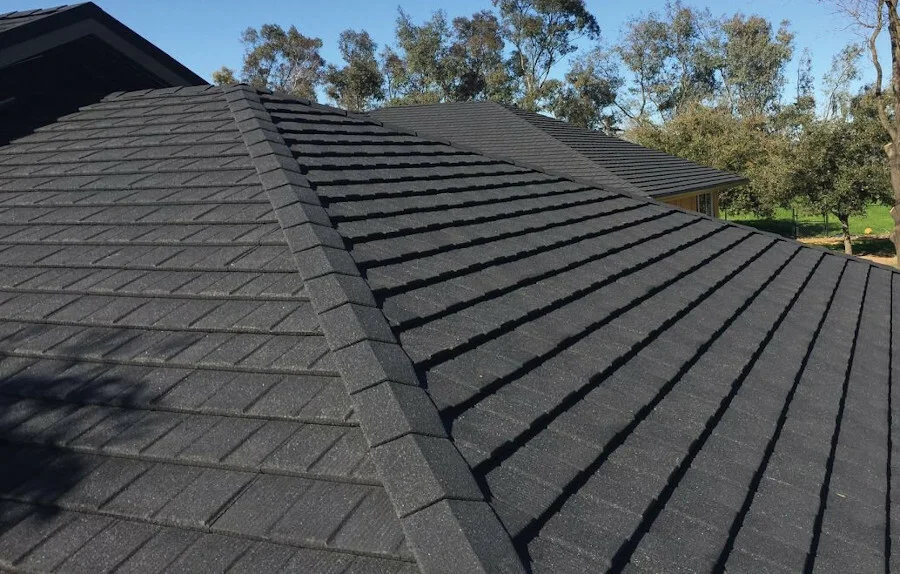
Windows, doors, exterior finish, and the roof system protect everything inside. Roofing material choice alone—shingle vs. metal vs. tile—can swing the budget meaningfully. We cover the trade-offs in our new construction roofing work and our roof replacement cost guidance applies to new builds too.
Mechanical, Electrical, and Plumbing
HVAC, electrical, and plumbing systems are a significant share of the budget and are heavily inspected. Florida's heat makes a properly sized, efficient HVAC system especially worth doing right.
Interior Finishes
This is where custom homes diverge most. Cabinetry, countertops, flooring, tile, fixtures, and trim can double a finish budget. Set realistic allowances early so your contract reflects what you actually plan to install.
Florida-Specific Cost Factors
Building in Lake County carries cost drivers you won't see in every market.
Wind-Code Construction
Most of Lake County sits in the 130 mph wind zone. Impact-rated windows and doors (or shutters), engineered roof-to-wall connections, and a secondary water barrier under the roof all add cost—but they're what keep the home standing and insurable.
Flood Zone and Elevation
If your lot is in a flood zone, elevation requirements and flood-resistant construction can add meaningfully to the foundation budget. Check flood status before you fall in love with a lot.
Permitting and Impact Fees
A new home requires a building permit plus electrical, plumbing, and mechanical permits, and impact fees may apply for new heated/cooled square footage. Our guide to Florida building permits walks through the process in detail.
Get your General Contractor quote.
Free on-site inspection · fast, local scheduling · no pressure.
How to Plan a Realistic Budget
A few habits keep a custom-home budget honest:
- Build in a contingency. Reserve 10–15% for the unknowns that every build surfaces.
- Set allowances, not guesses. Pin real dollar figures to cabinets, counters, flooring, and fixtures so your contract matches your intentions.
- Get a detailed written scope. A line-item scope from a licensed contractor is worth far more than a per-square-foot number scribbled on a napkin.
- Account for the lot. Site work, utilities, and flood considerations can quietly add tens of thousands—price them early.
Why Build With a Licensed General Contractor
A licensed Florida general contractor isn't just a budget line—it's protection. A licensed GC carries insurance, pulls permits in their own name, and is legally accountable for the build. Skipping that to save money is how custom-home dreams turn into legal and insurance nightmares. If you're weighing your options, our guide on choosing a general contractor vs. a builder explains the difference.
Pro Specialty Services is a licensed general contractor (CGC1538852) and certified roofing contractor (CCC1335465) building custom homes across Lake County—Eustis, Mount Dora, Tavares, Leesburg, Clermont, and the surrounding communities. Bring us your plans, or just your idea and your budget, and we'll give you a realistic number. Contact us for a free consultation.
Related Services
More on General Contracting & Home Building
How to Choose a Reliable Roofing Contractor
Next →General Contractor vs. Builder in Florida: Who Do You Actually Hire?
Get Roofing Tips
Seasonal maintenance reminders and honest advice from the crew. No spam.