Table of Contents
When you invest in a new roof, you expect it to be protected. But understanding what your roofing warranty actually covers—and what it doesn't—can mean the difference between a fully-covered repair and an unexpected expense. This comprehensive guide breaks down everything Florida homeowners need to know about roofing warranties.
The Two Types of Roofing Warranties
Every roofing project typically involves two distinct warranties that work together to protect your investment. Understanding the difference is crucial.
Manufacturer's Material Warranty
The manufacturer's warranty covers defects in the roofing materials themselves. If shingles crack prematurely due to manufacturing flaws, tiles delaminate without cause, or metal panels fail to perform as specified, this warranty applies.
What's typically covered:
- Manufacturing defects in roofing materials
- Premature granule loss on shingles
- Delamination or splitting not caused by external damage
- Color fading beyond normal weathering (on some products)
- Algae resistance failures (where applicable)
What's NOT covered:
- Damage from storms, hail, or wind
- Problems caused by improper installation
- Normal wear and aging
- Damage from foot traffic
- Issues from lack of maintenance
Workmanship Warranty
The workmanship warranty covers the installation itself. This is provided by your roofing contractor and protects against problems caused by improper installation techniques, missed steps, or contractor errors.
What's typically covered:
- Leaks caused by installation errors
- Improper flashing installation
- Incorrect nail placement
- Ventilation installation problems
- Sealant and caulking failures from installation
As we discuss in our shingle warranty guide, the workmanship warranty is often more important than the material warranty because most roof failures in the first 10-15 years are installation-related, not material defects.
Understanding Warranty Terms
Limited Lifetime vs. True Lifetime
Don't be fooled by impressive-sounding warranty terms. A 'limited lifetime' warranty has important restrictions:
- 'Lifetime' typically means the original owner's lifetime of home ownership
- 'Limited' means there are specific exclusions and conditions
- Transferability is usually limited or requires fees
- Coverage often decreases over time (prorated)
Prorated vs. Non-Prorated Coverage
This distinction significantly affects your actual protection:
Non-Prorated Period (typically first 10-15 years):
- Full replacement cost covered for materials
- You may still pay for labor (varies by warranty)
- Best protection period
Prorated Period (after initial years):
- Coverage decreases annually
- You pay an increasing percentage
- By year 25, you might only receive 20-30% coverage
- Example: A $10,000 claim at 50% proration = $5,000 coverage
Enhanced Warranties Through Certified Installers
Major manufacturers offer enhanced warranty programs when you use their certified installers. These upgrades can include:
- Extended non-prorated periods (sometimes the full warranty term)
- Labor coverage included (not just materials)
- Workmanship coverage backed by the manufacturer (not just the contractor)
- Easier claims process
This is why choosing a certified roofing contractor matters so much for warranty protection.
What Voids a Roofing Warranty
Understanding warranty exclusions is just as important as knowing what's covered. Common warranty-voiding situations include:
Improper Ventilation
All major shingle manufacturers require adequate attic ventilation for warranty validity. Without proper ventilation:
- Heat builds up and damages shingles from below
- Moisture accumulates causing rot and mold
- Shingles age prematurely
- Manufacturer can deny warranty claims
As explained in our attic ventilation guide, Florida's climate makes proper ventilation even more critical for warranty protection.
Pressure Washing
Many homeowners don't realize that pressure washing can void their warranty:
- High pressure damages shingle surface
- Removes protective granules
- Can void both material and workmanship warranties
- Soft washing is the approved cleaning method
Unauthorized Repairs or Modifications
Making changes to your roof without proper authorization can void warranties:
- DIY repairs with incompatible materials
- Adding satellite dishes without proper installation
- Installing solar panels incorrectly
- Using unapproved coatings or treatments
Walking on the Roof
Excessive or improper foot traffic can void warranties:
- Damages shingles and tiles
- Creates weak points for leaks
- Should be minimized and done carefully when necessary
Florida-Specific Warranty Considerations
Florida's unique climate and regulations create special warranty situations:
Hurricane and Wind Damage
Standard manufacturer warranties typically exclude:
- Wind damage above specified ratings
- Hurricane damage of any kind
- Hail damage
- Flying debris impact
This damage should be covered by your homeowners insurance instead. Understanding the difference prevents frustration when filing claims.
Florida Building Code Compliance
Warranties may require installations to meet or exceed Florida Building Code requirements:
- Proper wind resistance installation
- Secondary water barrier requirements in HVHZ
- Approved fastening patterns
- Permitted and inspected installation
Non-compliant installations can void warranties and create insurance issues.
Salt Air and Coastal Considerations
If you live near the coast:
- Some warranties have coastal exclusions
- Salt air corrosion may not be covered
- Verify coastal coverage before purchase
- Metal roofing warranties often specify distance from saltwater
How to Protect Your Warranty
Documentation Requirements
Keep these records safe for the life of your roof:
- Original purchase contract and invoice
- Warranty registration confirmation
- Photos of completed installation
- Proof of permit and final inspection
- Contractor's license and insurance verification
- Records of any repairs or maintenance
Registration Requirements
Many warranties require registration to activate full coverage:
- Some must be registered within 30-60 days of installation
- Online registration is usually required
- Keep confirmation emails and printouts
- Missing registration can reduce coverage significantly
Maintenance Requirements
While most warranties don't require professional maintenance, they do require reasonable care:
- Keep gutters clean (see our gutter maintenance guide)
- Remove debris from roof surface
- Trim overhanging branches
- Address visible damage promptly
- Document your maintenance activities
Regular professional inspections create a record of proper maintenance that supports warranty claims.
Making a Warranty Claim
The Claims Process
When you suspect a warranty issue:
- Document the problem - Photos, videos, dates of discovery
- Review your warranty - Understand what's covered
- Contact the appropriate party - Manufacturer for material issues, contractor for workmanship
- Submit required documentation - Original paperwork, maintenance records
- Allow for inspection - Manufacturer or contractor will assess
- Understand the decision - Coverage determination and next steps
Common Claim Denials
Claims are often denied for:
- Storm damage (should go through insurance)
- Installation problems (wrong warranty type)
- Maintenance neglect
- Improper repairs or modifications
- Missing documentation
- Expired warranty period
When Claims Are Disputed
If your claim is denied and you disagree:
- Request a detailed written explanation
- Get an independent inspection
- Review your contract with an attorney if significant
- Contact your state's consumer protection office
- Consider the cost-benefit of pursuing the dispute
Warranty Comparison by Roofing Type
Asphalt Shingles
Most asphalt shingle warranties offer:
- 25-50 year terms (limited lifetime common)
- 10-15 years non-prorated
- Wind coverage varies (60-130 mph)
- Algae resistance warranties available
Metal Roofing
Metal roofing typically includes:
- 30-50 year standard warranties
- Paint finish warranties (20-40 years)
- Better wind resistance coverage
- May have coastal restrictions
Tile Roofing
Tile roof warranties feature:
- 50+ year material warranties
- Underlayment warranty separate (typically 20-25 years)
- Limited breakage coverage
- See our tile maintenance guide for longevity tips
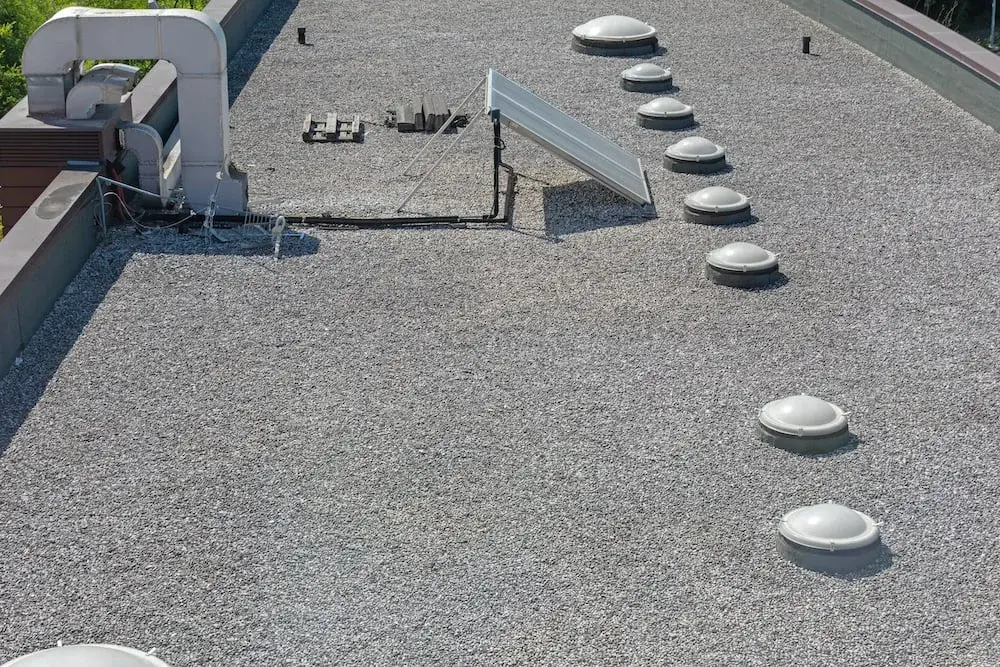
Flat Roofing
Commercial and flat roof warranties include:
- 10-25 year terms typical
- Often include labor coverage
- Ponding water restrictions common
- Maintenance requirements often stricter
Extended Warranty Options
Some manufacturers and contractors offer extended coverage:
- Additional years of non-prorated coverage
- Full system warranties (materials + labor)
- Transferable coverage options
- Enhanced customer service
These upgrades cost more upfront but can provide significant value, especially if you plan to sell your home. A transferable warranty can be a selling point.
The Bottom Line on Roofing Warranties
The best warranty protection comes from:
- Quality materials from reputable manufacturers
- Certified installation by manufacturer-trained contractors
- Proper documentation of purchase and installation
- Adequate ventilation installed correctly
- Regular maintenance and prompt repairs
- Understanding what's covered and what's not
At Pro Specialty Services, we're certified installers for major roofing manufacturers, which means our customers receive enhanced warranty coverage that includes manufacturer-backed workmanship protection. We also help you understand exactly what your warranty covers and maintain the documentation needed for claims.
Questions about roofing warranties or want to understand your coverage options? Contact us for a consultation. We'll explain exactly what protection you'll receive and how to maximize your warranty coverage.
Caleb Hutchinson
Owner, Pro Specialty Services
"I've seen too many homeowners shocked when their warranty claim is denied for something they didn't know about—like missing ventilation or an unregistered warranty. The paperwork might seem tedious, but proper documentation and understanding your coverage before you need it makes all the difference. Ask questions upfront, keep everything filed, and make sure your installer is certified for enhanced warranty coverage."