ATTIC INSULATION
We're the Lake County attic insulation contractor homeowners call when AC bills are climbing and the upstairs never cools off. Licensed Florida roofer (FL #CCC1335465) based in Eustis - blown-in fiberglass, cellulose, and spray foam installed to bring older R-19 attics up to the DOE-recommended R-38 to R-60 for Florida. Call (352) 272-8854 or get a free estimate online.
Expert Attic Insulation Services in Lake County
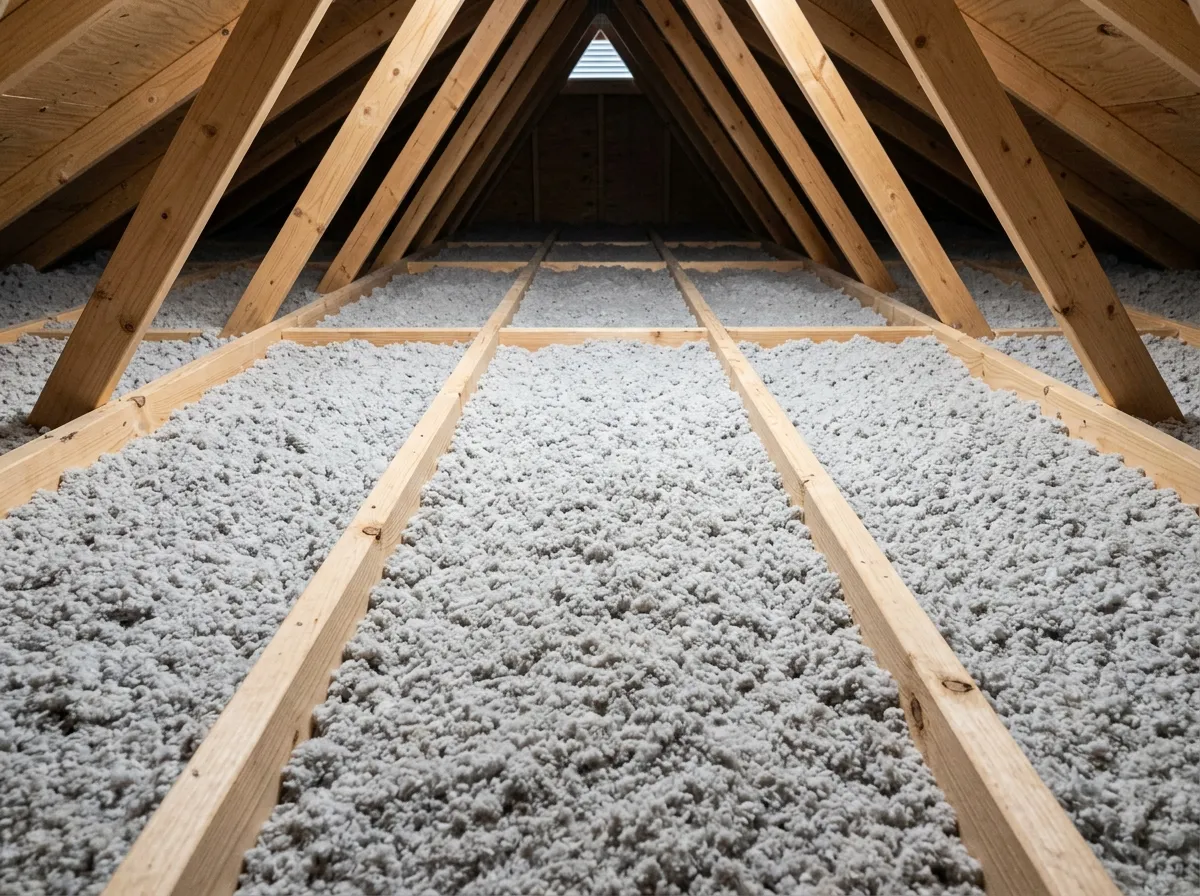
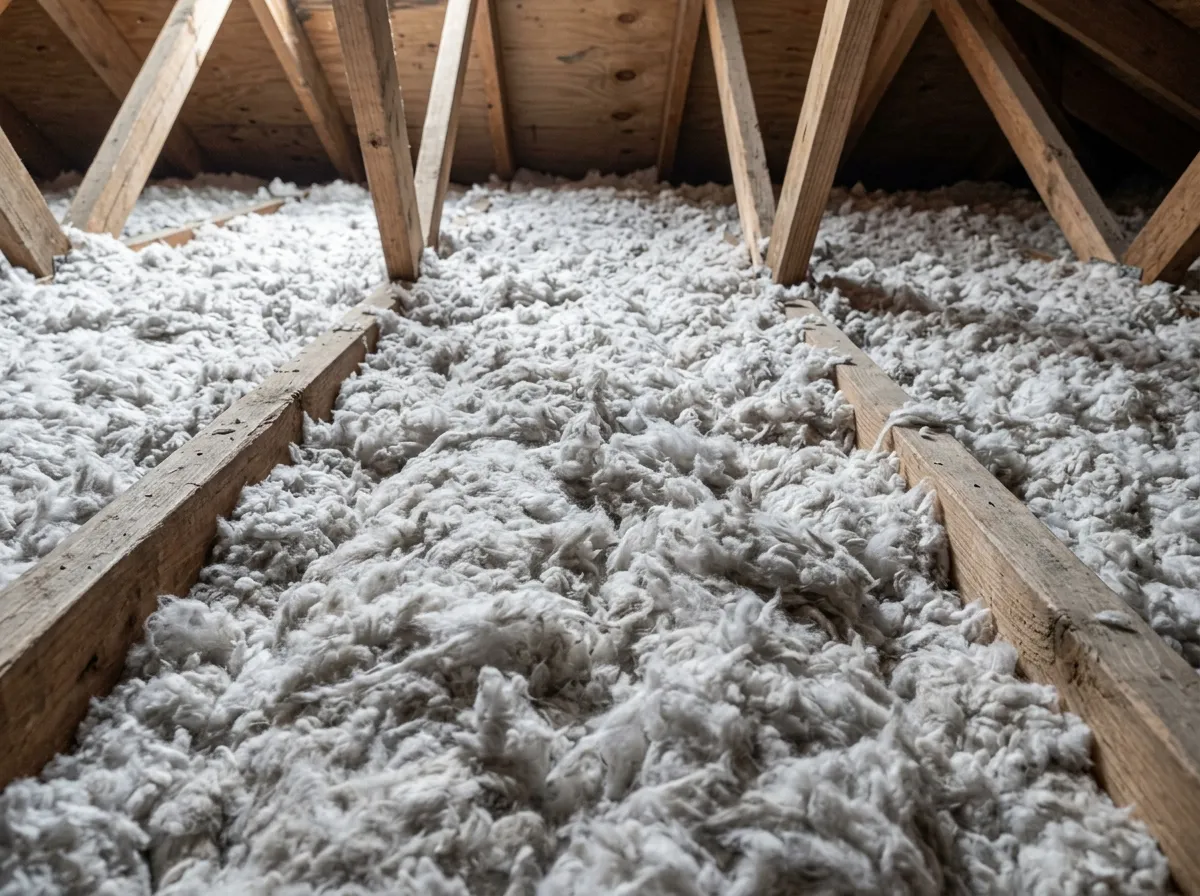
At Pro Specialty Services, we evaluate and upgrade attic insulation to maximize your home's energy efficiency. Whether your insulation has settled, been damaged, or was inadequate from the start, we can bring your attic up to current energy standards. We install blown-in fiberglass, cellulose, and spray foam insulation based on your specific needs and budget.
Proper insulation works together with attic ventilation. While ventilation reduces attic temperatures, insulation creates the barrier between your attic and living space. Both are essential for a comfortable, energy-efficient home. Combined with radiant barriers, you can create a comprehensive thermal management system.
Many Central Florida homes were built with minimal insulation - often just R-19 or less when the Department of Energy now recommends R-38 to R-60. Upgrading your attic insulation is one of the most cost-effective home improvements you can make, typically paying for itself within 2-4 years through energy savings.
Why Attic Insulation Matters in Florida
Energy savings are substantial. The Department of Energy estimates that proper insulation can reduce cooling costs by 15-25% in Florida homes. With Central Florida's 8+ month cooling season, that translates to $30-80 per month in savings - or $360-960 annually for typical Lake County homes.
Comfort improvement is immediate. Rooms below the attic stay cooler and more consistent. No more hot spots, no more upstairs that's always warmer than downstairs. Many Eustis and Mount Dora homeowners tell us their AC finally keeps up after upgrading insulation.
AC longevity increases when it runs less. Your air conditioning system works less hard to maintain comfortable temperatures, reducing wear and extending equipment life. This protects your HVAC investment and delays costly replacements.
Insulation Types: Complete Comparison
Different insulation types suit different situations and budgets. Here's a complete comparison to help you choose:
Blown-In Fiberglass Insulation
R-Value: R-2.2-2.9 per inch (R-38+ achievable). Best for: Most attic upgrades. Fast installation, excellent coverage around obstacles, economical. Can be added over existing insulation. Perfect for standard attic floor applications. Most popular choice for Florida homes.
Cellulose Insulation
R-Value: R-3.5-3.8 per inch. Best for: Eco-conscious homeowners. Made from 80-85% recycled newspaper with borate treatment. Higher density reduces air infiltration. Natural pest resistance. Excellent thermal performance. Settles 15-20% but maintains effectiveness long-term.
Spray Foam Insulation
R-Value: R-6-7 per inch (closed-cell), R-3.5-3.8 (open-cell). Best for: Maximum performance applications. Creates complete air seal plus insulation. Highest R-value per inch. Closed-cell adds vapor barrier and structural strength. Premium investment for problem areas or whole-attic conditioning.
Ready to Get Your Roof Fixed?
Schedule your free inspection today. Honest assessment, transparent pricing, no pressure.
Our Insulation Process
Energy Assessment
Measure current R-value, check for air leaks, and assess ventilation. We identify where your home is losing energy.
Solution Design
Recommend insulation type, target R-value, and any ventilation improvements needed for optimal performance.
Air Sealing & Installation
Seal gaps around penetrations first, then install insulation to target depth and coverage.
Performance Verification
Confirm proper coverage, verify ventilation airflow, and provide energy savings estimates.
How Florida's Climate Affects Your Attic Insulation
Lake County's hot, humid subtropical climate creates unique challenges for attic insulation that homeowners in cooler states simply don't face. With summer temperatures regularly exceeding 90°F and high humidity levels throughout much of the year, your attic can reach temperatures of 150°F or more. Without proper insulation, that heat radiates directly into your living space, forcing your air conditioner to work overtime and driving up energy bills month after month.
Florida's frequent rain and humidity also mean that moisture management is just as critical as thermal resistance. Poor or outdated insulation can absorb moisture, leading to mold growth, wood rot, and reduced R-value over time. Blown-in insulation and spray foam options used by Pro Specialty Services are specifically selected for their moisture-resistant properties and performance in high-humidity environments like those found throughout Lake County.
The Florida Building Code requires a minimum insulation R-value of R-38 for attics in our climate zone, but many older homes fall well short of that standard. Upgrading to the recommended R-value not only keeps your home cooler and more comfortable but can also qualify you for energy efficiency rebates through Duke Energy and other Florida utility providers. Our team helps you identify the right R-value and insulation type to maximize your investment.
Which Insulation Is Right for Your Home?
Choose based on your priorities, budget, and specific needs:
Best Value for Most Homes?
Blown-in fiberglass offers quick installation, excellent coverage, and cost-effective performance. Ideal for straightforward attic upgrades.
Want Eco-Friendly Option?
Cellulose uses recycled materials with excellent thermal performance and natural pest resistance. Great for environmentally conscious homeowners.
Need Maximum Performance?
Spray foam creates both an air seal and insulation in one application. Best for problem areas, roof deck applications, or when space is limited.
Have Extreme Heat Gain?
Radiant barriers reflect radiant heat - great for Florida's intense sun. Works best in conjunction with insulation, not as replacement.
Upgrading Existing Insulation?
Blown-in (fiberglass or cellulose) can top off settled insulation to reach recommended R-values without removing existing material.
Converting Attic to Conditioned Space?
Spray foam on roof deck creates unvented attic assembly, allowing HVAC and ductwork in conditioned space.
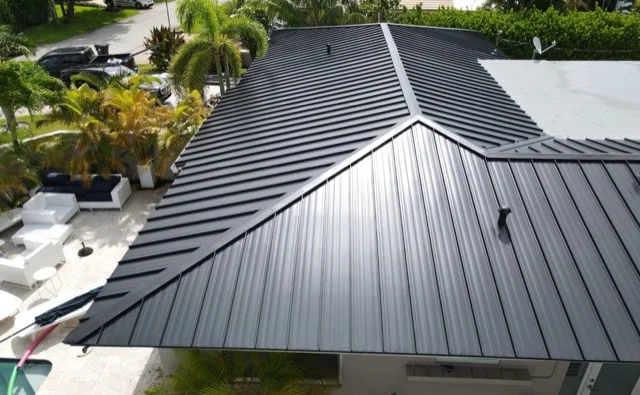
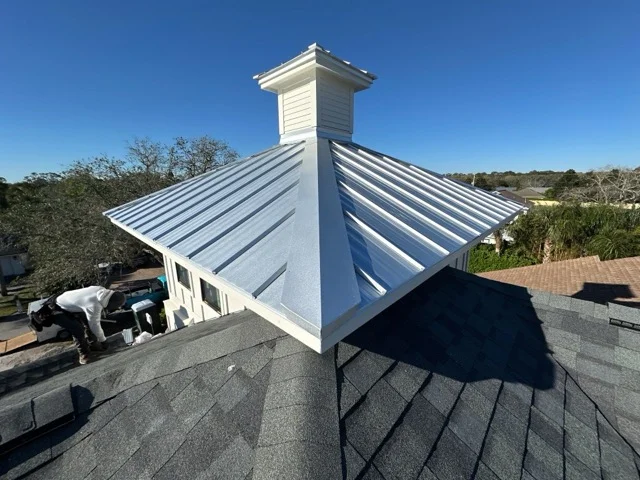
ATTIC INSULATION Projects
What Our Customers Say
"Our upstairs was unbearable in summer. PSS added blown-in insulation on top of our existing thin layer. It's like a different house now - much cooler and our electric bill dropped by about $60/month."
"Had a roof leak that ruined our insulation. Caleb's team replaced the damaged area and brought everything up to R-38. They also sealed around the can lights. Very thorough work."
"We wanted the best insulation possible for our new addition. Spray foam delivered. The room stays perfectly comfortable and our energy bills didn't increase even with the added space."
Ready for a free, no-pressure estimate?
On-site inspection, photos of every problem area, and a written quote within 24 hours. No sales pitch, no one-day pricing.
Attic Insulation and Your Roof's Long-Term Performance
Most homeowners don't realize that attic insulation and roof performance are closely connected. When your attic lacks adequate insulation, extreme heat builds up and accelerates the degradation of roofing materials from the inside out. Asphalt shingles in particular are vulnerable to this thermal stress, as excessive heat causes them to become brittle, curl, and lose protective granules far sooner than their rated lifespan. Proper attic insulation acts as a buffer that protects your roofing investment.
In Florida, where storm season brings intense heat followed by heavy rainfall, the relationship between insulation and roof health becomes even more important. A well-insulated attic helps regulate temperature fluctuations that cause roofing materials to expand and contract repeatedly. This repeated stress is a leading cause of cracked shingles, lifted flashing, and compromised roof seals that can allow water intrusion during storm events common to the Lake County area.
At Pro Specialty Services, we approach attic insulation as part of a complete roofing system evaluation. When we inspect or replace a roof, we also assess attic ventilation and insulation levels to ensure every component is working together. Pairing a new roof installation or roof coating with a fresh layer of attic insulation is one of the smartest long-term investments a Lake County homeowner can make for energy savings, comfort, and structural protection.
Common Insulation Issues
Insufficient Depth
Many Florida homes were built with minimal insulation (R-19 or less). Current recommendations are R-38 to R-60.
Settling Over Time
Blown insulation settles over years, reducing effectiveness. We can add material to restore proper R-value.
Compression from Storage
Stored items or foot traffic compresses insulation, reducing R-value in those areas.
Water Damage
Roof leaks can damage or ruin attic insulation. We replace damaged sections and upgrade to current standards.
Pest Damage
Animals nesting can displace or contaminate insulation. Removal and replacement may be necessary.
Gaps & Voids
Incomplete coverage leaves thermal bridges. Blown insulation fills gaps around obstacles automatically.
R-Values and Performance
Florida Recommendation
Department of Energy recommends R-38 to R-60 for Florida attics. R-38 is minimum; R-49-60 provides optimal performance.
Blown-In Fiberglass
12-14 inches achieves R-38. Cost-effective and quick to install. Settles 10-15% initially.
Cellulose
10-11 inches achieves R-38. Higher density provides better air infiltration control. Settles 15-20% but remains effective.
Spray Foam (Closed-Cell)
5-6 inches achieves R-38. Maximum performance in minimal space. Creates complete air seal simultaneously.
Spray Foam (Open-Cell)
10-11 inches achieves R-38. More economical than closed-cell. Excellent sound dampening properties.
Combined Approaches
Sometimes optimal solution combines types - spray foam for air sealing plus blown-in for bulk insulation.
The PSS Advantage
All Types Available
Blown-in fiberglass, cellulose, spray foam - we match the solution to your needs and budget.
Expert Guidance
Honest recommendations based on your priorities: value, performance, or environmental responsibility.
Air Sealing Included
We seal gaps and penetrations for maximum efficiency before installing insulation.
Lower Energy Bills
Proper insulation reduces cooling costs by 15-25% in Florida homes.
Improved Comfort
More consistent temperatures throughout your home. No more hot spots.
Quick Installation
Most projects completed in a single day with minimal disruption.
Quality Materials
We use quality products from reputable manufacturers for long-term performance.
Combined Services
Coordinate with roof work, ventilation, and other projects for efficiency.
Common Questions
The Department of Energy recommends R-38 to R-60 for Florida attics. Many older homes have only R-19 or less. We can assess your current levels and recommend the most cost-effective upgrade. R-38 is a practical minimum; R-49-60 provides optimal performance.
It depends on your priorities. Blown-in fiberglass is most cost-effective for standard upgrades. Cellulose offers environmental benefits and excellent thermal performance. Spray foam provides maximum R-value per inch and creates an air seal. We discuss trade-offs during consultation.
Yes, in most cases. If existing insulation is dry and in reasonable condition, we can add new material on top. If there's damage, contamination, or moisture issues, we may need to remove and replace.
Fiberglass, cellulose, and spray foam can all last 20-30 years or more if undisturbed and kept dry. However, settling, pest activity, or water damage can reduce effectiveness sooner. Regular inspection is wise.
Spray foam's premium performance often justifies the cost for maximum efficiency applications, problem areas, or space-constrained situations. For straightforward attic floor upgrades, blown-in insulation is more cost-effective. We discuss options honestly based on your specific needs.
Savings depend on current insulation levels and home efficiency. Typical improvements from inadequate to proper insulation save 15-25% on cooling costs - $30-80/month for many Florida homes. Better insulation also extends AC equipment life.
Radiant barriers can reduce heat gain by reflecting radiant heat. They work best in conjunction with insulation, not as a replacement. We can evaluate whether adding a radiant barrier makes sense for your specific situation.
Only when necessary - if it's damaged, contaminated by pests, or has moisture issues. In most cases, we add new insulation on top of existing material if it's in decent condition, which is more cost-effective.
Yes. Fiberglass settles 10-15%; cellulose settles 15-20% over the first few months to years. We account for this by installing to greater depth initially. The insulation remains effective for decades after settling.
Yes. Modern cellulose is treated with borate fire retardants that are safe and non-toxic. The EPA has no concerns about cellulose in residential use. It's been used safely for decades and provides Class 1 fire rating.
Most residential attics are completed in 2-4 hours for blown-in insulation. Spray foam applications may take longer. Either way, it's typically a same-day project with minimal disruption to your household.
Yes. All insulation types reduce sound transmission to some degree. Cellulose and spray foam (especially open-cell) provide excellent sound dampening due to their higher density. This is a side benefit beyond thermal performance.
- Related services
Often paired with attic insulation.
Trades we recommend scoping together if we're already on-site.
Radiant Barrier
Attic Ventilation
Roof Replacement
Gutter Installation
- From the blog
Before you book - read this.
- Service area · Lake Co FL
Attic Insulation across Lake County.
Seventeen cities, one licensed crew. Same warranty, same phone number whether you're in Eustis or Minneola.
- Gutters & Exterior
Every gutters & exterior job we take.
Ready for your free attic insulation estimate?
Same-day response across Lake County. Honest recommendations, transparent pricing, and a warranty in writing.
Signs Your Lake County Home Needs New Attic Insulation
Many homeowners in Lake County are losing hundreds of dollars each year on energy costs without knowing why. One of the most common culprits is inadequate or deteriorating attic insulation. If your monthly cooling bills have increased without a clear explanation, if certain rooms in your home feel noticeably warmer than others, or if your HVAC system runs almost constantly during summer months, your attic insulation may be failing or insufficient for Florida's demanding climate conditions.
Physical signs inside the attic can also tell you a great deal. Insulation that appears flat, compressed, or discolored may have lost much of its thermal effectiveness. If you notice any signs of moisture, dark staining, or musty odors in your attic space, moisture has likely compromised your existing insulation and potentially created conditions favorable for mold growth. After major storm events, it's also worth checking whether water intrusion has saturated blown-in insulation, which loses nearly all of its R-value when wet.
Pro Specialty Services offers thorough attic inspections for homeowners throughout Lake County, including areas like Clermont, Leesburg, Mount Dora, and Tavares. Our technicians evaluate your current insulation depth, check for air leaks around recessed lighting and HVAC penetrations, and assess attic ventilation to ensure your insulation can perform as intended. Getting a professional assessment is the first step toward a cooler home, lower energy bills, and a longer-lasting roof.
More Questions About Attic Insulation
The Florida Building Code recommends a minimum of R-38 for attic insulation in Lake County's climate zone, though many energy experts suggest R-49 or higher for maximum efficiency in Florida's extreme heat. Homes with older or compressed insulation often fall significantly below this threshold, leading to higher cooling costs and reduced indoor comfort during the long summer months.
Proper attic insulation helps regulate temperature extremes that cause roofing materials to expand and contract, which over time weakens shingles, flashing, and roof seals. A well-insulated attic also reduces moisture buildup that can compromise the roof deck and structural components, making your home more resilient during Florida's frequent heavy rain and storm events. Pairing quality insulation with regular roof inspections is the best strategy for long-term protection.
Yes, Florida homeowners may qualify for energy efficiency rebates through local utility providers such as Duke Energy Florida when upgrading attic insulation to meet or exceed recommended R-values. Additionally, federal tax credits under the Inflation Reduction Act may apply to qualifying insulation improvements, potentially offsetting a meaningful portion of the project cost. Pro Specialty Services can help you understand which options may be available based on your specific upgrade.
Most types of attic insulation have a general lifespan of 20 to 30 years, but Florida's high humidity and heat can accelerate degradation, especially if moisture infiltration or pest activity occurs. Blown-in fiberglass and spray foam insulation tend to perform well in humid climates, but all insulation should be inspected periodically, particularly after major storms or if you notice rising energy bills. Pro Specialty Services recommends an attic insulation inspection every five to seven years for Lake County homeowners.