Table of Contents
Wood shake roofs offer a natural beauty that no other roofing material can match. The warm, textured appearance of cedar or redwood shakes gives homes a distinctive character that many homeowners treasure. But in Florida's humid, storm-prone climate, wood shake roofs demand more attention than they would in drier regions. Proper maintenance isn't optional—it's essential for protecting your investment.
Why Florida Is Challenging for Wood Shakes
Understanding the threats helps you maintain effectively:
High Humidity
Florida's humidity creates a perfect environment for wood problems:
- Moisture absorption keeps wood damp longer
- Fungal growth thrives in humid conditions
- Wood doesn't dry between rain events
- Accelerated rot compared to dry climates
Heavy Rainfall
Our 50+ inches of annual rain stresses wood roofs:
- Frequent wetting and drying cycles
- Standing water in low spots
- Moss and algae establishment
- Debris accumulation traps moisture
Intense UV Exposure
Florida sun damages unprotected wood:
- Breaks down natural wood oils
- Causes checking and splitting
- Fades natural color
- Accelerates weathering
Storm Damage Risk
Hurricanes and tropical storms threaten wood shakes:
- High winds can lift or remove shakes
- Flying debris causes impact damage
- Falling branches crack and split shakes
- Storm damage accelerates decay
Essential Maintenance Tasks
These practices keep your wood shake roof healthy:
Regular Debris Removal
Keep your roof clear of organic material:
Why It Matters:
- Debris traps moisture against wood
- Decomposing leaves create acidic conditions
- Accumulated material blocks water flow
- Creates environment for moss and algae
How Often:
- After any storm that drops debris
- Quarterly at minimum
- More often if trees overhang the roof
Best Practices:
- Use soft broom or leaf blower
- Work from ridge down to eaves
- Clear valleys thoroughly
- Don't damage shake edges
Moss and Algae Control
Biological growth is a constant battle in Florida:
Identifying the Problem:
- Green moss in shaded areas
- Black or green algae streaking
- Lichen (gray-green, scaly growth)
- Mold in heavily shaded spots
Treatment Methods:
- Soft wash cleaning with appropriate solutions
- Zinc or copper strip installation at ridge
- Careful chemical treatment
- Never use pressure washing on wood shakes
Prevention:
- Improve sunlight exposure (trim trees)
- Maintain good drainage
- Install zinc or copper strips
- Regular cleaning before growth establishes
Inspection and Repair
Catch problems before they spread:
Inspection Schedule:
- Professional inspection annually
- Visual check from ground monthly
- After any significant storm
- Spring and fall thorough review
What to Look For:
- Cracked or split shakes
- Missing or shifted shakes
- Curling at edges
- Signs of rot (soft, spongy wood)
- Moss, algae, or mold growth
- Exposed nails
- Flashing condition
Repair Priority:
- Replace damaged shakes promptly
- Address rot immediately (spreads quickly)
- Re-secure loose shakes
- Seal exposed nail heads
Learn more about wood shake roofing and repair services.
Preservative Treatments
Chemical treatments extend wood life in Florida:
Types of Treatments:
- Oil-based preservatives penetrate deep
- Water repellents reduce moisture absorption
- Fungicides prevent rot and mold
- UV blockers protect against sun damage
Application Schedule:
- Every 3-5 years in Florida (more often than northern climates)
- After any significant cleaning
- When wood appears dry or bleached
- Before rainy season for best protection
Application Process:
- Clean roof thoroughly first
- Allow complete drying
- Apply preservative per manufacturer instructions
- Typically spray or brush application
- Multiple coats may be needed
Gutter and Drainage Maintenance
Keep water moving off and away from the roof:
Gutter Care:
- Clean gutters monthly during fall/spring
- Ensure proper attachment
- Check for proper slope to downspouts
- Verify downspouts direct water away
Drainage Issues:
- No standing water anywhere on roof
- Valleys clear and flowing
- No debris dams forming
- Proper drip edge at eaves
Cleaning Your Wood Shake Roof
Proper cleaning extends life; improper cleaning destroys it:
Never Pressure Wash
This cannot be emphasized enough:
- Pressure washing destroys wood fibers
- Drives water under shakes
- Removes soft wood, leaving rough surface
- Dramatically shortens roof life
- Voids many warranties
Soft Wash Method
The only appropriate way to clean wood shakes:
Process:
- Pre-wet surrounding plants
- Apply cleaning solution at low pressure
- Allow dwell time per product instructions
- Rinse gently with garden hose pressure
- Rinse plants and surrounding areas
Cleaning Solutions:
- Oxygen bleach (sodium percarbonate) preferred
- Wood-specific commercial cleaners
- Avoid chlorine bleach (damages wood)
- Never use acid-based cleaners
Professional Cleaning
For best results, hire professionals who:
- Specialize in wood roof cleaning
- Use appropriate soft wash equipment
- Understand wood preservation
- Offer treatment application after cleaning
Improving Shake Longevity
Beyond basic maintenance, these practices add years:
Tree Management
Shade and debris are major threats:
Trimming Guidelines:
- No branches within 10 feet of roof
- Reduce heavy shade (some sun helps dry roof)
- Remove dead branches that could fall
- Consider removal of problem trees
Balancing Act:
- Some shade reduces UV damage
- But too much promotes moisture and growth
- Partial sun exposure is ideal
Attic Ventilation
Proper ventilation helps from below:
- Reduces heat buildup under shakes
- Helps moisture escape
- Extends shake life significantly
- Check soffit vents are clear
- Ensure ridge ventilation functions
Prompt Repairs
Don't delay when you spot problems:
- One rotten shake can spread to neighbors
- Missing shakes expose underlayment
- Small repairs prevent large replacements
- Maintain spare shakes for matching
Common Problems and Solutions
Issues you're likely to encounter:
Splitting and Checking
Cause: UV damage and thermal cycling
Solution:
- Minor splits: seal with wood preservative
- Severe splits: replace affected shakes
- Prevention: regular preservative treatment
Curling Edges
Cause: Moisture imbalance (one side dries faster)
Solution:
- Minor curling: sometimes flattens with treatment
- Severe curling: replacement necessary
- Prevention: consistent preservative application
Rot and Decay
Cause: Moisture, fungal growth
Solution:
- Soft rot: replace immediately
- Surrounding shakes may be affected
- Address moisture source
- Apply fungicide to adjacent areas
Moss and Lichen
Cause: Moisture, shade, organic debris
Solution:
- Soft wash with appropriate cleaner
- Install zinc or copper strips
- Improve sunlight if possible
- Regular cleaning maintenance
Missing Shakes
Cause: Wind, deteriorated fasteners, decay
Solution:
- Replace promptly before water damage
- Check fastening on surrounding shakes
- Keep spare shakes for matching
- Consider if pattern indicates larger problem
When Maintenance Isn't Enough
Signs your roof needs more than maintenance:
Time for Major Repairs
- More than 20% of shakes need replacement
- Widespread rot appearing
- Recurring leaks despite repairs
- Deck damage visible from attic
Time for Replacement
- Roof age over 20-25 years in Florida
- Extensive rot throughout
- Structural integrity compromised
- Repairs no longer cost-effective
Considering Alternatives
When replacing, evaluate:
- Synthetic shake products (lower maintenance)
- Metal with shake appearance
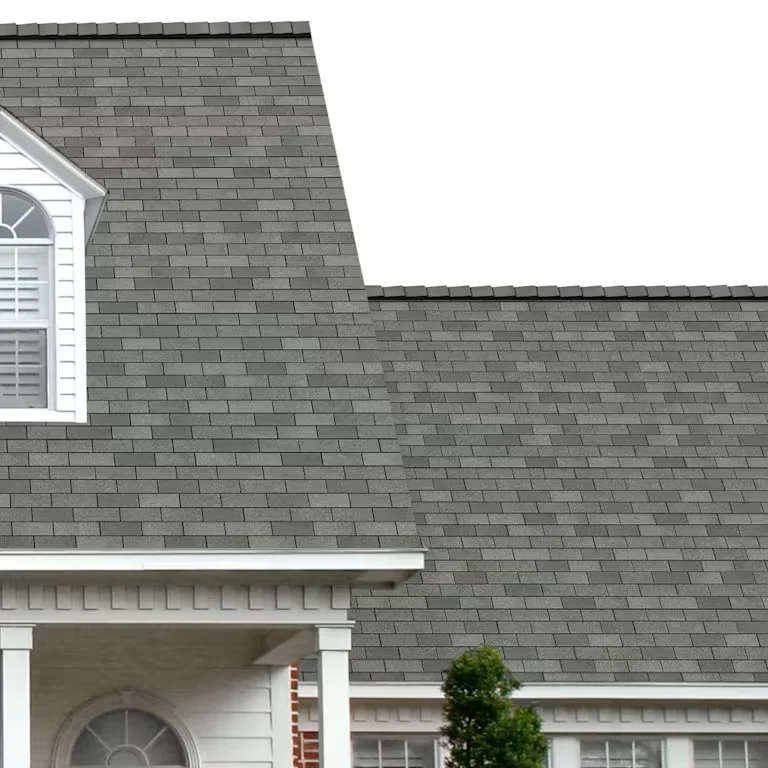
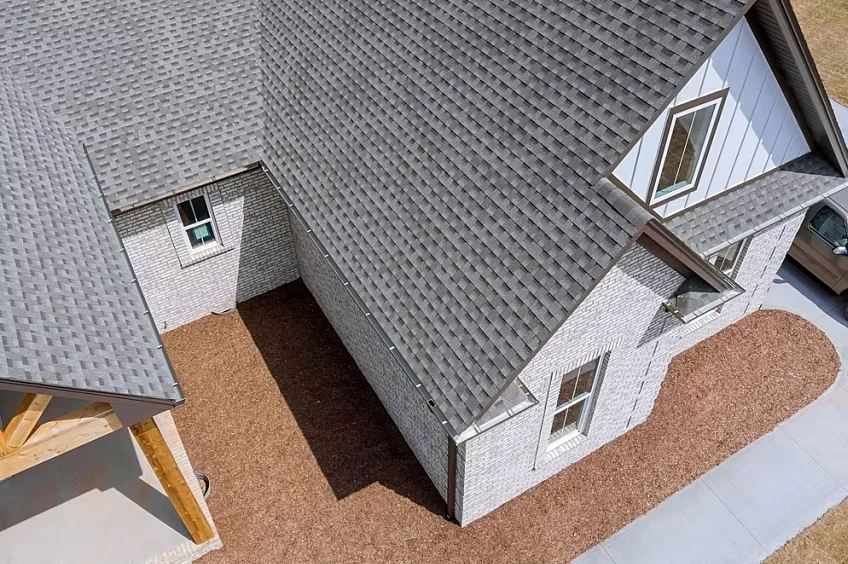
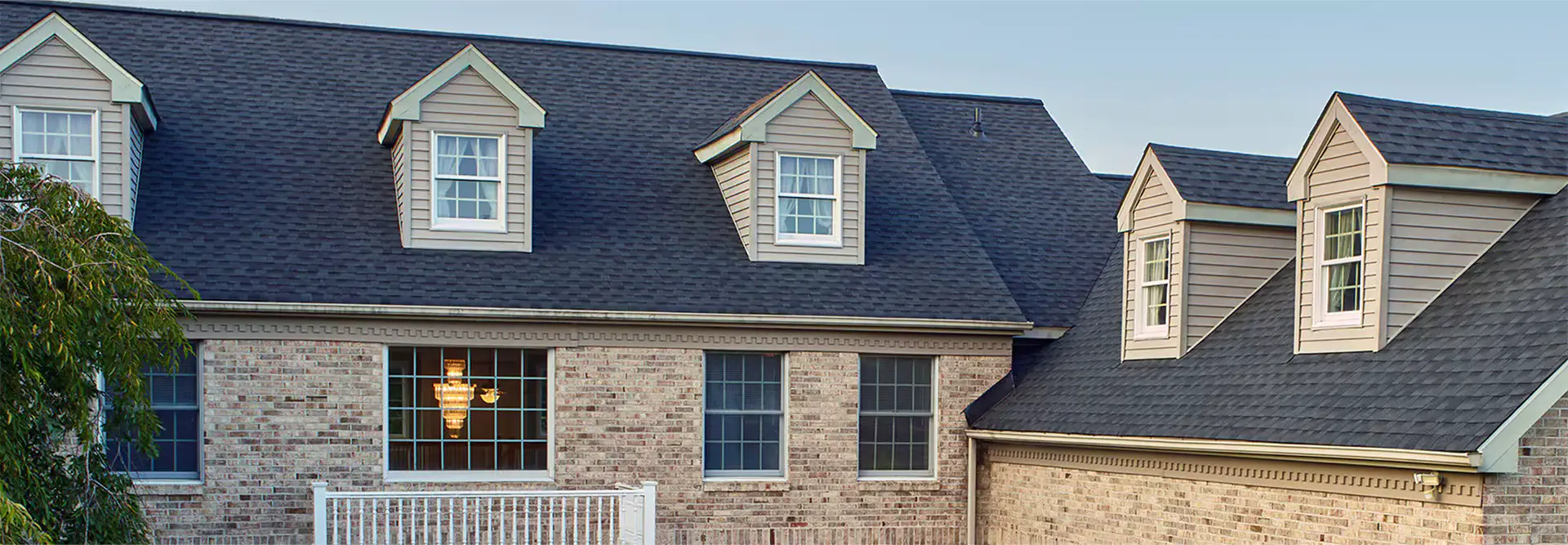
- Architectural shingles for budget
- Whether wood shake maintenance fits your lifestyle
Schedule a professional inspection to assess your roof's condition.
Professional vs. DIY Maintenance
What you can handle versus what needs experts:
Homeowner Tasks
- Ground-level visual inspections
- Debris clearing with long-handled tools
- Gutter cleaning
- Monitoring for changes
Professional Tasks
- On-roof inspections
- Shake replacement
- Chemical treatments
- Soft wash cleaning
- Rot assessment and repair
- Flashing work
Safety Consideration
Wood shake roofs are particularly hazardous:
- Irregular surface with gaps
- Can be slippery when wet or treated
- Brittle shakes crack underfoot
- Leave roof access to professionals
Maintenance Schedule Summary
A year-round maintenance calendar:
Monthly:
- Visual inspection from ground
- Gutter cleaning
- Debris removal if accessible
Quarterly:
- Thorough debris clearing
- Check for new damage or growth
- Inspect after any storms
Annually:
- Professional inspection
- Treatment assessment
- Repair planning
Every 3-5 Years:
- Professional cleaning (soft wash)
- Preservative treatment application
- Comprehensive condition assessment
The Bottom Line
Wood shake roofs in Florida demand commitment. The maintenance requirements are significantly higher than other roofing materials, and neglect leads to rapid deterioration. But for homeowners who appreciate the natural beauty and are willing to invest in regular care, a well-maintained wood shake roof is a stunning feature that enhances any home.
If you're struggling to keep up with maintenance or questioning whether your shake roof can be saved, we can help. At Pro Specialty Services, we maintain and repair wood shake roofs throughout Lake County. We'll assess your roof honestly, recommend the most cost-effective path forward, and help you protect your investment—whether that means maintenance, repairs, or discussing replacement options.
Caleb Hutchinson
Owner, Pro Specialty Services
"I tell homeowners considering wood shakes to think of it like owning a classic car—beautiful, distinctive, and requiring regular attention. Some people love that involvement; others find it exhausting. In Florida's climate, a wood shake roof needs treatment every 3-5 years without fail. Skip it, and you'll be replacing the roof in 15 years instead of 25. The maintenance isn't hard, but it's not optional."