Table of Contents
Florida's tile roofs are iconic—and for good reason. Tile roofing offers unmatched durability, timeless beauty, and excellent performance in our subtropical climate. But not all tile is created equal.
Clay Tile: The Classic Choice
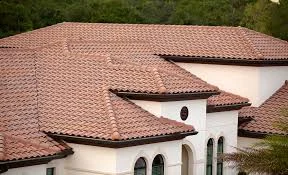
Clay barrel tiles have protected Florida homes for over a century. Made from natural clay fired at high temperatures, these tiles offer:
- 50-100 year lifespan with proper maintenance
- Natural color that won't fade (pigment goes all the way through)
- Excellent heat resistance for cooler interiors
- Premium appearance that increases home value
Clay tiles come in barrel (mission/Spanish), flat, and S-tile profiles. Barrel tiles are most common in Florida, especially on Mediterranean and Spanish-style homes.
Concrete Tile: The Value Alternative
Concrete tiles emerged as a clay alternative in the mid-20th century. They're made from Portland cement, sand, and water, then colored with surface coatings or integral pigments.
Concrete tile benefits:
- 40-50 year lifespan
- 30-50% less expensive than clay
- Available in more colors and profiles
- Easier to source and replace
Concrete tile drawbacks:
- Surface color can fade over time
- Slightly more porous than clay
- May require more frequent cleaning
Slate: The Premium Option
Natural slate is the gold standard of roofing materials. Genuine slate tiles can last 75-200 years and offer unparalleled beauty. However, they're rarely used in Florida because:
- Extreme cost ($15-30+ per square foot installed)
- Massive weight requires reinforced structure
- Limited local installers with slate experience
Most 'slate roofs' in Florida are actually concrete tiles made to look like slate—a more practical choice for our climate and building standards.
Weight Considerations
All tile roofing is heavy. Before installation, your roof structure must be evaluated:
| Tile Type | Weight per Square |
|-----------|-------------------|
| Clay Barrel | 900-1200 lbs |
| Concrete S-Tile | 900-1100 lbs |
| Lightweight Tile | 450-650 lbs |
| Asphalt Shingles | 230-400 lbs |
Many older Florida homes weren't built to support tile. Adding tile to a home designed for shingles often requires structural reinforcement, adding $5,000-15,000 to the project.
Underlayment Matters More Than You Think
Here's what most homeowners don't realize: tile itself rarely fails. The underlayment beneath the tiles is what deteriorates. In Florida's heat, underlayment typically lasts 20-30 years—even while tiles above remain perfect.
This is why tile underlayment replacement is one of our most common services. We remove all tiles, install new high-temperature underlayment, and reinstall the original tiles. It costs a fraction of full replacement.
Which Tile Is Right for You?
Choose clay if: You want maximum lifespan, have the budget for premium materials, and value fade-proof color.
Choose concrete if: You want the tile look at a lower cost, need a specific color, or are matching existing neighborhood aesthetics.
Choose lightweight if: Your structure can't support traditional tile weight, or you're converting from shingles without reinforcement.
Questions about tile options? Our inspection team can evaluate your home and recommend the best tile type for your structure and budget.