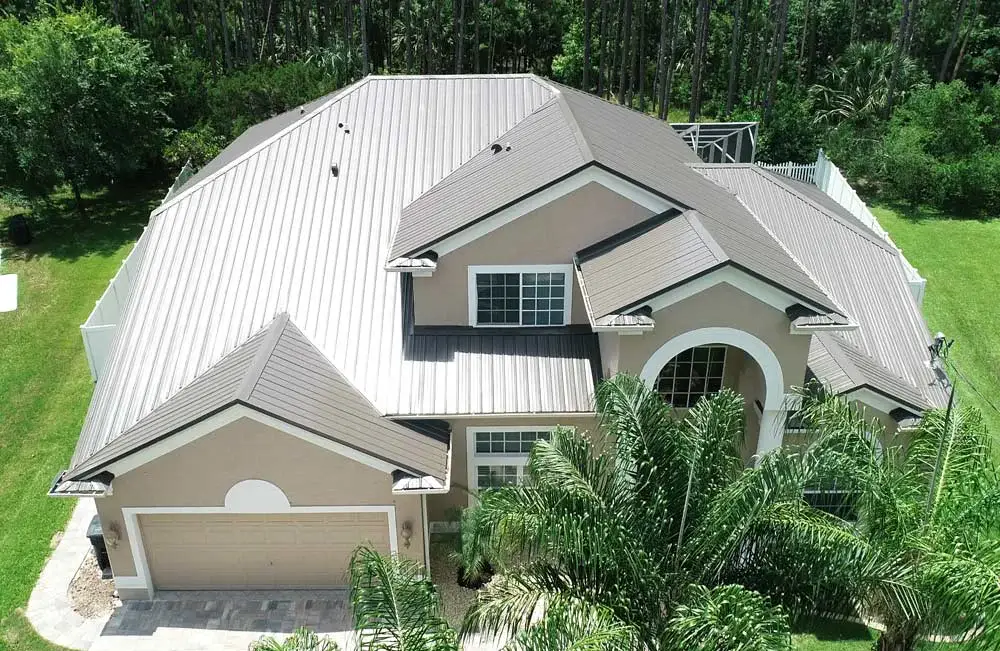
A roof-over (also called a re-roof or cover-up) installs a new roof system directly over your existing mobile home roof. It's a popular option, but is it right for you?
In this guide
What Is a Mobile Home Roof-Over?
A roof-over involves building a new roof structure on top of your existing mobile home roof:
- New trusses or rafters attached to existing structure
- Creates pitched roof over flat or low-slope original
- Metal panels installed over new framing
- Improves appearance and performance
Benefits of Roof-Overs
Insulation Improvement:
The air gap between old and new roofs adds insulation value. Combined with added insulation, this can significantly reduce cooling costs.
Leak Prevention:
A properly installed roof-over creates a completely new weather barrier, eliminating ongoing leak issues with deteriorated original roofs.
Appearance Upgrade:
Transform a flat mobile home roof into an attractive pitched roof that looks more like a site-built home.
Structural Protection:
The new structure shields the original roof from UV degradation, extending its life and protecting interior components.
Noise Reduction:
The dead air space dramatically reduces rain noise compared to direct metal roofing.
Drawbacks to Consider
Added Weight:
Roof-overs add 2-4 pounds per square foot. Your home's structure must handle this load - have a mobile home roof inspection confirm it first.
Hidden Damage:
Installing over an existing roof means any underlying problems remain hidden. If your decking is rotted, a roof-over doesn't fix it.
Height Changes:
The raised roofline may affect:
- Awning and carport clearance
- HVAC system venting
- Park height restrictions
Cost:
Roof-overs typically cost $8,000-$15,000 depending on size and materials - more than a mobile home roof coating, less than a complete roof replacement.
Get your Mobile Home Roofing quote.
Free on-site inspection · fast, local scheduling · no pressure.
Roof-Over vs Other Options
| Option | Cost | Lifespan | Insulation | Appearance |
|--------|------|----------|------------|------------|
| Coating | $2,000-4,000 | 10-15 years | Minimal | Same |
| Roof-Over | $8,000-15,000 | 30-40 years | Good | Improved |
| Complete Replacement | $12,000-25,000 | 40+ years | Best | Best |
Is Your Home a Candidate?
Roof-overs work well when:
- ✓ Existing structure is sound
- ✓ Original roof is leaking but not rotted
- ✓ You want long-term solution
- ✓ Energy efficiency is important
- ✓ Appearance matters
Roof-overs may NOT be right when:
- Significant structural damage exists
- Home isn't properly leveled
- Park has height restrictions
- Budget is very limited
Materials and Options
Metal Roofing:
Most roof-overs use metal panels for durability and light weight. Options include:
- Screw-down panels (economical)
- Standing seam (premium)
- Stone-coated steel (tile appearance)
Insulation:
Adding insulation during installation maximizes energy savings:
- Fiberglass batts in truss cavities
- Rigid foam board under metal
- Radiant barrier facing airspace
Installation Process
A typical roof-over takes 2-5 days:
- Evaluation - Structural assessment of existing home
- Preparation - Secure loose roofing, install attachments
- Framing - Build truss or rafter system
- Sheathing (if used) - Install decking
- Metal installation - Apply panels and trim
- Finishing - Seal penetrations, install gutters
Choosing a Contractor
Mobile home roof-overs require specific experience:
- Verify Florida contractor license
- Ask about mobile home experience specifically
- Request references from similar projects
- Get detailed written scope of work
- Confirm permit requirements in your area
Our Recommendation
For mobile homes with chronic leak issues but sound structure, roof-overs offer excellent long-term value. The combination of leak protection, energy savings, and improved appearance justifies the investment for most owners.
Want to know if a roof-over makes sense for your mobile home? Our mobile home specialists can evaluate your situation and recommend the best solution.
More on Mobile Home Roofing
Get Roofing Tips
Seasonal maintenance reminders and honest advice from the crew. No spam.