Table of Contents
If you're replacing or installing a flat roof in Central Florida, you've probably heard three acronyms thrown around: EPDM, TPO, and PVC. All three are single-ply membranes, but they perform very differently in our climate.
After installing hundreds of flat roofs across Lake County, we've seen what works and what fails. Here's our honest breakdown.
EPDM (Ethylene Propylene Diene Monomer)
EPDM roofing is synthetic rubber—the same material used in garden hoses and automotive weatherstripping. It's been around since the 1960s, making it the most time-tested option.
Pros of EPDM:
- Lowest upfront cost – Typically $4-$8 per square foot installed
- Proven durability – 25-30 year lifespan with proper maintenance
- Flexible in temperature swings – Won't crack in Florida's heat
- Easy repairs – Patches bond well to existing material
Cons of EPDM:
- Black absorbs heat – Can reach 170°F+ in summer (white EPDM available but less common)
- Seams are a weak point – Adhesive seams can fail over time
- Punctures easier – Foot traffic and debris can cause damage
TPO (Thermoplastic Polyolefin)
TPO roofing hit the market in the 1990s and quickly became the most popular commercial roofing material. It's a blend of polypropylene and ethylene-propylene rubber.
Pros of TPO:
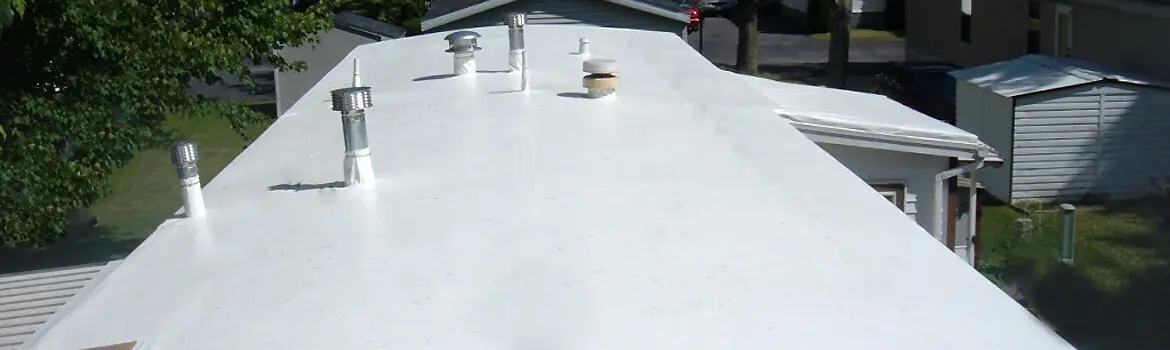
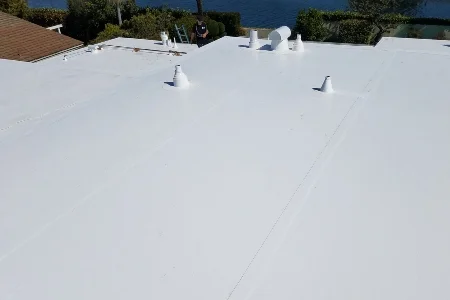
- White reflects heat – Can reduce cooling costs by 10-30%
- Heat-welded seams – Stronger than adhesive seams
- Resists UV, ozone, and algae – Important in Florida's climate
- Mid-range cost – $5-$10 per square foot installed
Cons of TPO:
- Newer technology – Some early formulations failed; quality varies by manufacturer
- Can become brittle – Cheaper TPO may crack after 10-15 years
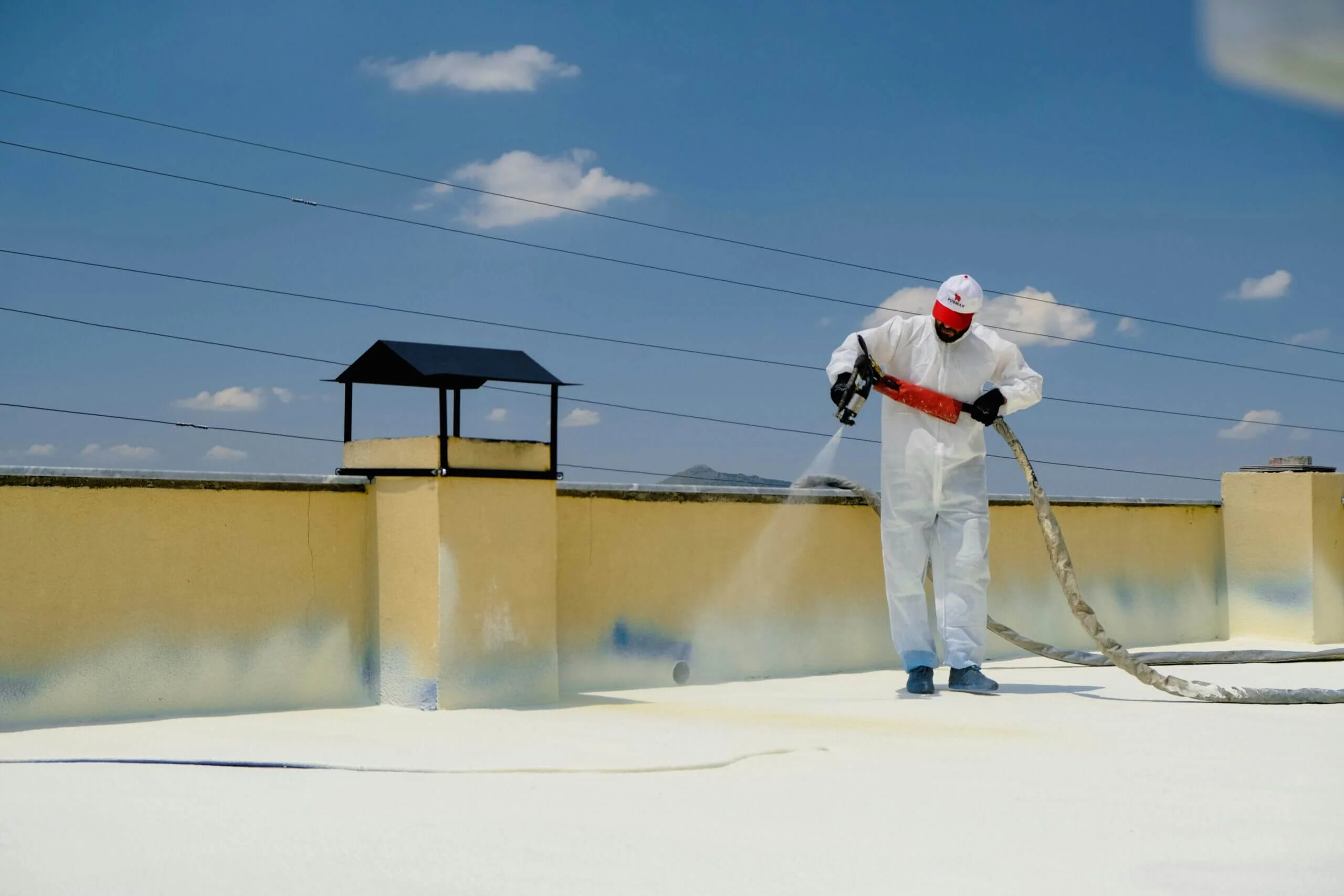
- Requires skilled installation – Heat welding needs proper training
PVC (Polyvinyl Chloride)
PVC roofing has been used since the 1960s in Europe and gained popularity in the US for commercial applications. It's the most chemically resistant option.
Pros of PVC:
- Superior chemical resistance – Ideal near restaurants, factories, or areas with grease/oil
- Fire resistant – Self-extinguishing; often required for commercial buildings
- Heat-welded seams – Same strong seams as TPO
- Longest lifespan – 25-35 years with proper maintenance
Cons of PVC:
- Highest cost – $6-$12 per square foot installed
- Less flexible in cold – Not ideal for northern climates (fine in Florida)
- Environmental concerns – Contains chlorine; harder to recycle
Which Is Best for Florida?
For most Central Florida homes and businesses, we recommend TPO as the best balance of performance and value. Here's why:
- White surface reflects Florida sun, reducing AC costs
- Heat-welded seams handle our heavy rain better than EPDM's glued seams
- Resists the algae and mildew common in our humid climate
- More affordable than PVC for residential applications
Choose EPDM if: Budget is your primary concern and you don't mind a black roof
Choose PVC if: You have a commercial kitchen, factory, or need superior fire resistance
Installation Matters More Than Material
Here's something most articles won't tell you: a properly installed EPDM roof will outlast a poorly installed TPO roof every time. The membrane is only as good as the professional flat roof installation.
Key installation factors:
- Proper substrate preparation
- Correct seam welding temperature (for TPO/PVC)
- Adequate edge and penetration flashing
- Proper drainage slope
Get a Professional Assessment
Every flat roof is different. Factors like building use, foot traffic, existing insulation, and budget all affect the right choice for your property.
We offer free flat roof consultations throughout Lake County. Contact us to discuss which membrane makes sense for your specific situation.
For more flat roof guidance, see our articles on flat roof materials comparison, flat roof maintenance tips, and common flat roof problems.
Caleb Hutchinson
Owner, Pro Specialty Services
"After years of installing flat roofs in Central Florida, I've seen all three materials perform well—when installed correctly. The key is matching the material to your specific situation and budget."