Table of Contents
Florida's sunshine is one of our greatest assets—and one of the biggest challenges for roofing materials. The same UV radiation that makes our beaches beautiful also degrades roofing materials faster than almost anywhere else in the country. Understanding UV resistance helps you choose roofing that lasts.
How UV Damages Roofing
Ultraviolet radiation breaks down the molecular bonds in organic materials. This degradation happens in several ways:
- Oxidation: UV accelerates the oxidation of asphalt, rubber, and plastics
- Chalking: Surface coatings break down, leaving a powdery residue
- Cracking: Materials become brittle and crack as they lose flexibility
- Color Fading: Pigments break down, causing aesthetic degradation
- Loss of Oils: Plasticizers and oils evaporate, leaving materials stiff and prone to failure
In Florida, roofs receive intense UV exposure 300+ days per year. Materials that might last 30 years in northern climates may only last 20-25 here.
UV Resistance by Material Type
Most UV Resistant
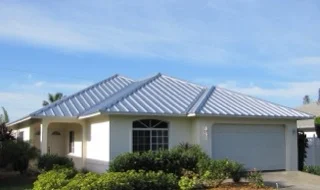
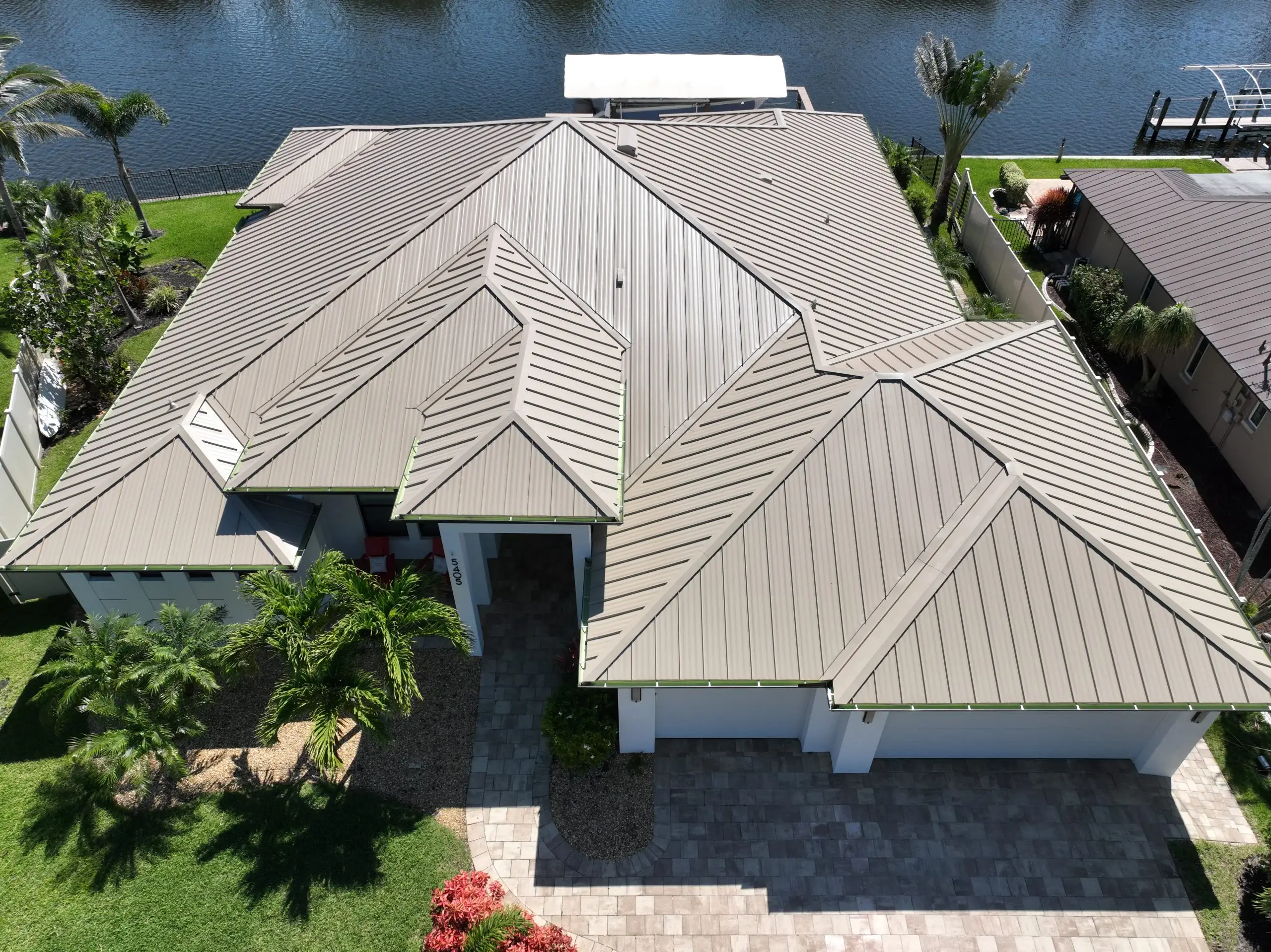
Metal Roofing: Metal itself isn't affected by UV at all. The coatings on metal roofing (like Kynar 500) are formulated for decades of UV exposure without significant degradation. Quality metal roofing with proper coating can maintain appearance and function for 50+ years in Florida.
Tile (Clay and Concrete): Fired clay is essentially impervious to UV. Concrete tile is also highly resistant. The colors in clay are integral to the material; concrete tile's color may fade slightly over decades, but the material remains structurally sound.
Slate: Natural stone slate is completely unaffected by UV. It's also the most expensive and heaviest option.
Moderate UV Resistance (with proper formulation)
TPO and PVC Membranes: These thermoplastics are formulated with UV stabilizers that provide good long-term resistance. White TPO reflects most UV rather than absorbing it, which extends material life. 20-30 year lifespans are typical in Florida.
EPDM Rubber: Synthetic rubber with carbon black provides decent UV resistance, though EPDM can eventually degrade. 20-25 years is typical in our climate.
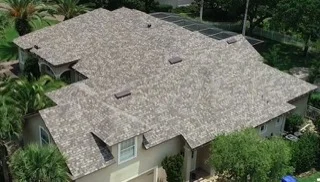
Quality Asphalt Shingles: Modern shingles include UV-resistant granules that protect the underlying asphalt. Premium products with reflective granules provide enhanced protection. 20-25 years is reasonable in Florida with quality products.
Most UV Vulnerable
Lower-Quality Asphalt Products: Builder-grade shingles and economy products degrade faster under UV. 15-20 years may be optimistic.
Unprotected Foam Roofing: Spray foam without protective coating degrades rapidly in UV. Coating is essential.
Uncertified Single-Ply: Products without proper UV stabilizers can fail prematurely.
Strategies for UV Protection
Beyond choosing inherently UV-resistant materials, several strategies extend roof life:
Reflective Surfaces: Light-colored roofs reflect UV rather than absorbing it, reducing material stress
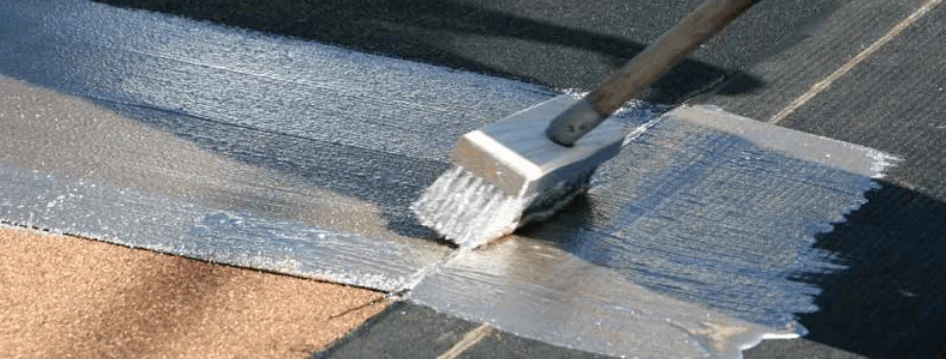
Protective Coatings: Adding reflective coating to existing roofs blocks UV from reaching underlying materials
Proper Ventilation: Reducing attic temperatures reduces the combined stress of UV and heat
Regular Maintenance: Catching early degradation allows intervention before failure
Florida-Specific Considerations
Our unique climate combines intense UV with high humidity, salt air (coastal), heavy rain events, and occasional hurricanes. Choosing roofing materials means considering all these factors together.
A material that resists UV well but fails in hurricanes isn't a good Florida choice. Metal roofing, for example, excels at both UV resistance and wind performance—making it particularly well-suited to Florida conditions.
Making the Right Choice
When selecting roofing for a Florida home, UV resistance should be a primary consideration. Spending slightly more for UV-resistant products pays dividends over the roof's life.
At Pro Specialty Services, we recommend materials proven in Florida's demanding UV environment. We've seen what lasts and what fails, and we guide customers toward products that deliver long-term value.
Caleb Hutchinson
Owner, Pro Specialty Services
"I've seen too many roofs fail early because homeowners didn't understand how demanding Florida's sun is. When someone asks why I recommend metal or tile over economy shingles, UV damage is a big part of the answer. The sun never stops, and your roofing materials need to handle that reality."