Roof Repair in Eustis, FL
We're the Lake County roof repair contractor homeowners call when a leak shows up and waiting isn't an option. Licensed Florida roofer (FL #CCC1335465) based in Eustis - same-day inspections, written quotes before we leave the driveway, and permanent fixes instead of surface patches. Call (352) 272-8854 for emergency roof repair, or get a free estimate online.
Expert Roof Repair Services in Lake County
Unlike companies that simply patch visible damage, our experienced technicians conduct thorough inspections to identify the root cause of every roofing issue. We check for hidden moisture damage, compromised underlayment, deteriorating flashing, and other problems that often go unnoticed until they become major expenses. This comprehensive approach ensures your repair addresses not just the symptoms, but the underlying issues that caused them.
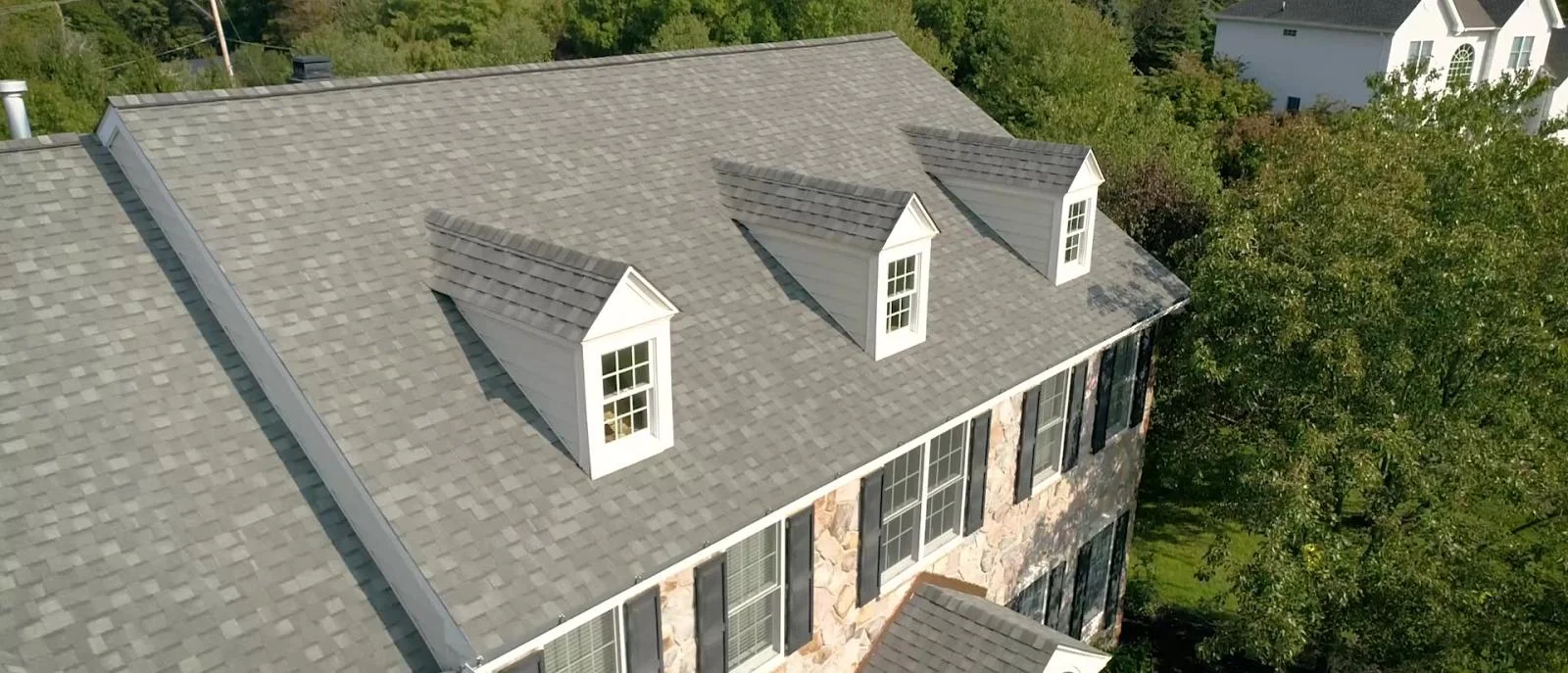
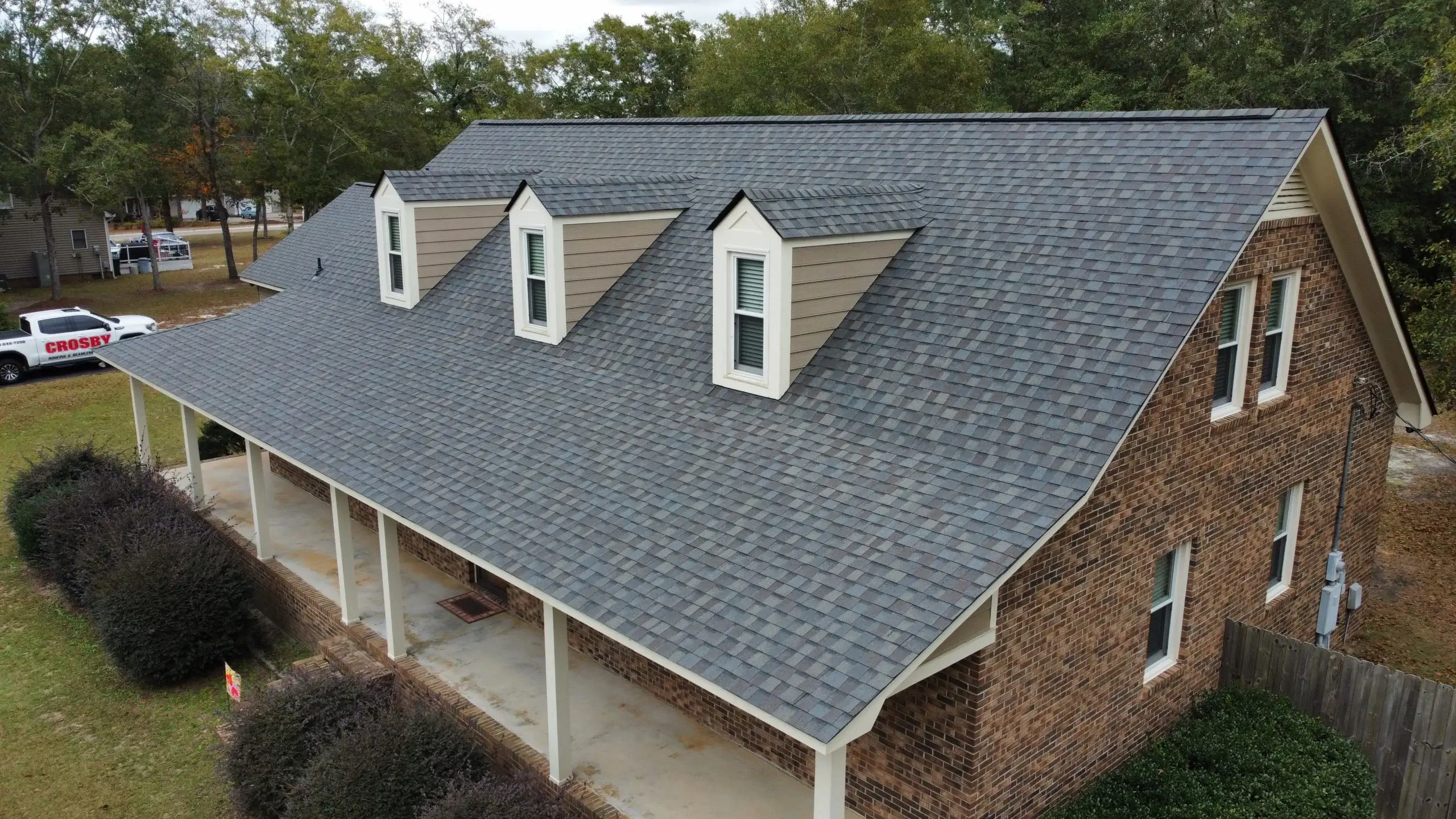
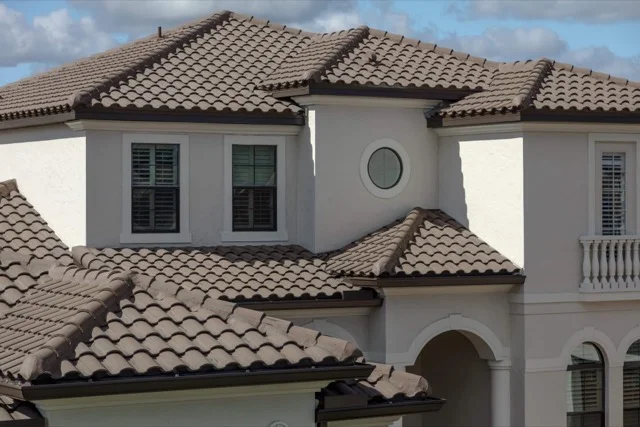
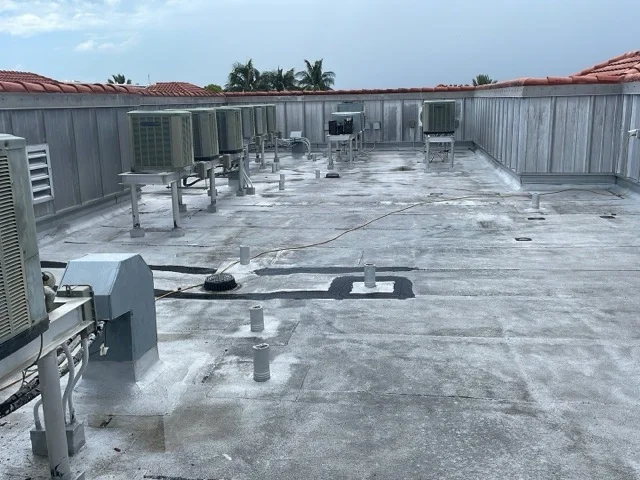
Whether you're dealing with a sudden leak after a storm or have noticed gradual deterioration over time, our team has the expertise to restore your roof's integrity quickly and affordably. We work on all roof types common to Central Florida homes, including asphalt shingles, metal roofing, concrete and clay tiles, and flat roofing systems.
Learn the warning signs your roof needs repair and common causes of roof leaks in Florida. If damage is extensive, we also offer complete roof replacement and storm damage restoration services.
Why Timely Roof Repairs Save You Money
A small roof leak might seem like a minor inconvenience, but the damage it causes compounds rapidly. Water that enters your home through a compromised roof doesn't just drip onto your floor - it saturates insulation, soaks into wooden structural components, and creates ideal conditions for mold and mildew growth. What starts as a $300 repair can quickly escalate into thousands of dollars in remediation costs.
Florida's climate makes prompt repairs especially critical. Our combination of intense UV exposure, heavy afternoon thunderstorms, and occasional hurricanes means roofing materials degrade faster than in other regions. A loose shingle in Ohio might last years before causing problems; in Lake County, that same shingle could fail completely in the next summer storm.
Beyond protecting your investment, maintaining your roof's integrity is essential for your family's health and safety. Water intrusion can lead to mold growth within 24-48 hours, and certain mold species can cause serious respiratory issues. Structural damage from prolonged water exposure can compromise your home's ability to withstand high winds. Addressing repairs promptly isn't just about saving money - it's about keeping your family safe.
Common Roof Repairs We Handle
Leak Detection & Repair
Leaks can originate far from where water appears inside your home. We use systematic inspection methods to trace water intrusion to its source and implement permanent repairs, not just surface patches.
Shingle Replacement
Missing, cracked, curling, or wind-damaged shingles compromise your roof's ability to shed water. We carefully match replacement shingles to your existing roof and ensure proper installation for lasting protection.
Flashing Repair & Replacement
Flashing around chimneys, vents, skylights, and wall intersections is a common failure point. We install high-quality metal flashing with proper sealants to prevent water intrusion at these vulnerable areas.
Storm Damage Assessment & Repair
Florida storms can cause obvious damage like missing shingles, but also hidden damage that worsens over time. We conduct thorough post-storm inspections and document damage for insurance purposes.
Gutter & Drainage Repair
Clogged or damaged gutters cause water to back up under your roof edges, leading to fascia rot and interior leaks. We repair and optimize your drainage system to protect your roof and foundation.
Vent Boot & Pipe Collar Repair
The rubber boots around plumbing vents deteriorate in Florida's sun, becoming a leading cause of leaks. We replace worn boots and collars before they fail.
Fascia & Soffit Repair
Damaged fascia and soffits allow water and pests into your attic space. We repair or replace damaged sections to restore your roof's protective envelope. For complete soffit and fascia replacement services, we handle full installations.
Emergency Tarping
When storms strike, immediate protection prevents further damage. We offer rapid-response tarping services to secure your home until permanent repairs can be completed.
Ready to Get Your Roof Fixed?
Schedule your free inspection today. Honest assessment, transparent pricing, no pressure.
Our Repair Process
Leak Detection
Trace the water intrusion to its source. We check flashing, penetrations, and vulnerable areas to find the root cause.
Repair Plan
Explain exactly what needs fixing, why it failed, and provide upfront pricing. No surprises.
Targeted Repair
Fix the problem at its source - not just patch the symptom. We use matching materials for a seamless result.
Verification & Prevention
Water-test the repair, document our work, and advise on preventing future issues.
Current Promotions
10% OFF Any Repair
New Customers
First-time customers receive 10% off any roof repair service. Quality repairs at affordable prices.
Get Quote*New customers only. Cannot be combined with other offers. Max discount $200.
Senior Citizen Discount
65+ Years Old
We honor our seniors with special pricing on all roofing services. Ask about our senior discount when you call.
Call UsRoof Repair for Florida Subtropical Climate
Florida UV and Humidity Stress
Florida intense UV radiation degrades roofing materials 2-3x faster than northern climates. Combined with humidity averaging 75%+ year-round, even quality materials need specific specifications to last. Lake County properties also face afternoon thunderstorms from May through October that test every flashing seal and valley joint.
Hurricane and Wind Resistance
Lake County sits in a 130mph wind zone per the Florida Building Code. Our roof repair projects meet or exceed FBC wind uplift ratings with proper fastening schedules and impact-resistant materials when applicable. We document everything to support insurance discounts on wind mitigation forms.
Building Code Compliance
Florida Building Code requirements are among the strictest in the country. We work with Lake County building inspectors regularly and understand exactly what passes inspection, saving you delays, reinspection fees, and the headaches that come with non-compliant work.
Signs Your Roof Needs Repair
Catching roofing problems early can save significant money and prevent interior damage. Here are warning signs every Lake County homeowner should watch for:
Water Stains on Ceilings or Walls
Brown or yellow stains often indicate active or recent leaks. Even small stains warrant professional inspection.
Missing or Damaged Shingles
Visible from the ground, missing shingles leave your roof deck exposed to water and UV damage.
Granules in Gutters
Excessive granule loss indicates aging shingles that are losing their protective coating.
Daylight Through Roof Boards
If you can see light in your attic, water can get in too. This requires immediate attention.
Sagging Roof Sections
Sagging can indicate structural damage from water intrusion or inadequate support - a serious safety concern.
Increased Energy Bills
Damaged roofing can compromise your attic's insulation envelope, forcing your AC to work harder. Poor attic ventilation can also increase cooling costs significantly.
Moss or Algae Growth
While common in Florida, significant growth can trap moisture and accelerate shingle deterioration.
Rusted or Damaged Flashing
Metal flashing that's pulling away, rusted, or sealed with degraded caulk needs replacement.
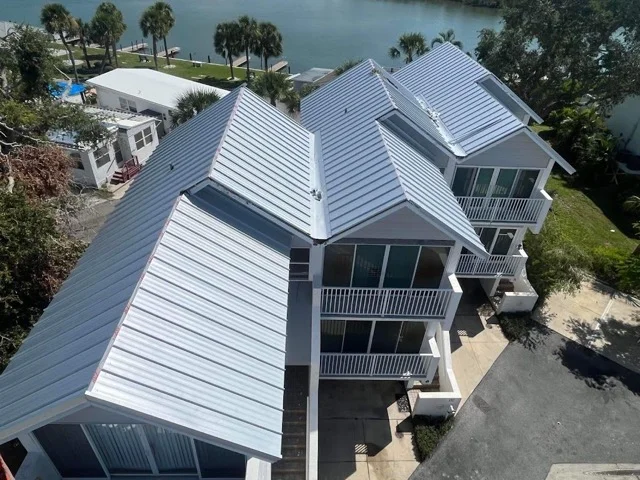
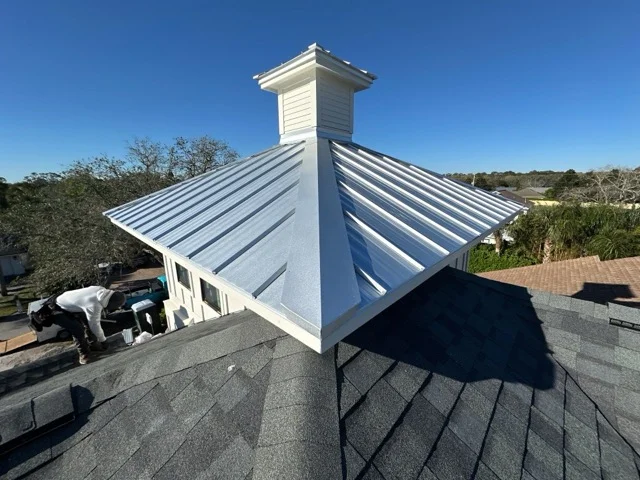
Roof Repair in Eustis, FL Projects
What Our Customers Say
"Had a leak that two other companies couldn't find. Pro Specialty traced it to failed flashing around my chimney and fixed it right. No more water stains and fair pricing. Highly recommend!"
"After the last storm, I had three missing shingles. They came out the next day, matched my existing shingles perfectly, and the price was exactly what they quoted. Professional from start to finish."
"Caleb and his team were honest about what my roof actually needed. Another company tried to sell me a full replacement, but PSS showed me that targeted repairs would give me several more years. Saved me thousands."
Ready for a free, no-pressure estimate?
On-site inspection, photos of every problem area, and a written quote within 24 hours. No sales pitch, no one-day pricing.
What Makes Roof Repair Different in Lake County
Microclimate Considerations
Lake County is not one climate, it is many. Properties in different neighborhoods face different challenges that affect roof repair decisions.
Waterfront Properties
Homes near Lake Eustis, Lake Dora, and Lake Harris experience higher humidity and mineral content in lake spray. We recommend specific approaches for waterfront properties to maximize longevity.
Historic Districts
Properties in Mount Dora and Eustis historic districts must balance preservation guidelines with modern performance. We have experience with historic preservation requirements.
New Construction Areas
Clermont, Groveland, and Minneola new construction follows the latest Florida Product Approval standards. Older homes in Leesburg and Tavares may have outdated systems needing complete upgrades.
HOA and Permit Requirements
We know which neighborhoods have HOA restrictions, which areas require permits, and which homes typically need special considerations during roof repair projects. This local knowledge prevents surprises and delays.
Roof Types We Repair
Our technicians are trained and experienced in repairing all common Central Florida roofing systems. Each material has unique characteristics and requires specific repair techniques:
Asphalt Shingle Roofs
The most common roofing in Lake County. We repair wind damage, replace worn shingles, and address flashing failures.
Metal Roofing
Standing seam and corrugated metal roofs require specialized knowledge. We repair loose fasteners, seal failed seams, and address rust issues.
Tile Roofs
Concrete and clay tiles are durable but can crack from impact or foot traffic. We carefully replace damaged tiles and repair underlayment.
Flat Roofs
Common on Florida room additions and commercial buildings. We repair membrane failures, ponding issues, and flashing problems.
The PSS Advantage
Same-Day Emergency Response
When your roof is compromised, every hour counts. We prioritize emergency calls and can often provide same-day tarping and assessment.
Honest Assessments
We'll tell you the truth about your roof's condition. If repairs will solve your problem, we'll say so. If replacement makes more sense, we'll explain why.
Licensed & Insured
Florida certified roofing contractor CCC1335465. Fully insured for your protection and peace of mind.
Quality Materials
We use manufacturer-approved materials that meet or exceed Florida building codes. No cheap substitutes or shortcuts.
Workmanship Warranty
We stand behind our repairs. If something we fixed fails, we'll make it right at no additional cost.
Insurance Claim Assistance
We have extensive experience documenting storm damage and working with insurance adjusters to ensure fair claim settlements.
Common Questions
For emergencies involving active leaks or storm damage, we offer same-day response and can typically provide emergency tarping within hours. Standard repairs are usually scheduled within 2-3 days and completed in a single day, depending on the scope of work needed.
We make every effort to match your existing roofing materials. For shingle repairs, we source matching colors and styles from multiple suppliers. Some color variation may be visible on older roofs due to weathering, but we minimize this as much as possible.
Generally, if damage is localized and your roof is under 15-20 years old, repairs often make financial sense. We'll provide an honest assessment based on your roof's overall condition, the extent of damage, and your long-term plans for the home. We never push unnecessary <a href="/services/roof-replacement">replacements</a>.
Absolutely. We have extensive experience with storm damage claims and understand what insurance adjusters need to see. We document all damage thoroughly with photos and detailed reports, and we can meet with your adjuster to ensure nothing is missed.
We'll stop work and contact you immediately to explain what we found. We never proceed with additional work without your explicit approval, and we'll provide a clear quote for any additional repairs needed.
Yes, we offer several financing options for qualified customers. We understand that unexpected roof repairs can strain budgets, and we're committed to finding payment solutions that work for your situation.
- Related services
Often paired with roof repair.
Trades we recommend scoping together if we're already on-site.
Storm Damage
Roof Inspection
Roof Coating
Gutter Repairs
- From the blog
Before you book - read this.
- Service area · Lake Co FL
Roof Repair across Lake County.
Seventeen cities, one licensed crew. Same warranty, same phone number whether you're in Eustis or Minneola.
- Roofing Services
Every roofing services job we take.
Ready for your free roof repair estimate?
Same-day response across Lake County. Honest recommendations, transparent pricing, and a warranty in writing.
The Pro Specialty Services Roof Repair Difference
Licensed and Local
Pro Specialty Services is a fully licensed Florida roofing contractor (CCC1335465) headquartered in Eustis. We are not a corporate chain or storm-chasing out-of-state company. We are your neighbors, and we have built our business on honest assessments, transparent pricing, and quality work.
Our Process
Every roof repair project follows the same proven approach.
Free Inspection
We start with a thorough, no-pressure inspection. We document existing conditions, identify issues, and explain everything in plain language.
Detailed Written Estimate
You receive a complete itemized estimate with no hidden fees. We explain exactly what we recommend, what materials we will use, and what the timeline looks like.
Quality Workmanship
Our crews are full-time employees, not day laborers. They treat every home like their own, with manufacturer warranties on materials and our workmanship guarantee backing every project.
More Questions About Roof Repair
Costs vary significantly based on the scope, materials, and property specifics. After a free inspection, we provide a detailed written estimate so you know exactly what to expect with no hidden fees.
Yes. We work directly with your insurance adjuster, provide detailed damage documentation, and guide you through the claims process from start to finish.
Most projects are completed within 2-7 days depending on size and complexity. We provide a specific timeline during your free estimate.
Yes. Pro Specialty Services is a fully licensed Florida roofing contractor (CCC1335465) with comprehensive general liability and workers compensation insurance.