Table of Contents
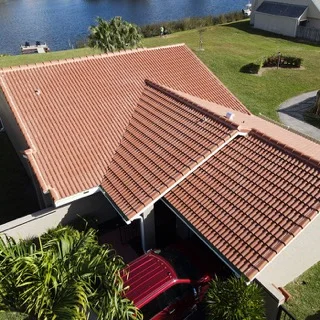
Florida tile roofs are famous for longevity—concrete and clay tiles can last 75-100+ years. But here's what many homeowners don't realize: the waterproofing underneath those tiles has a much shorter lifespan. Understanding this system is essential for tile roof owners.
The Tile Roof System
Contrary to what many assume, tile roofing doesn't work like shingles. Tiles are primarily a protective shield and drainage system—they shed bulk water and protect the real waterproofing below from UV and physical damage.
The actual waterproofing comes from the underlayment—typically felt paper or synthetic membrane installed on the roof deck beneath the tiles. This is what keeps your home dry.
Underlayment Lifespan
While tiles last generations, underlayment degrades:
- Felt paper (organic): 15-20 years
- Fiberglass felt: 20-25 years
- Synthetic underlayment: 25-35 years
- Self-adhering membranes: 25-40 years
In Florida's heat, these lifespans may be on the shorter end. Attic temperatures exceeding 150°F accelerate underlayment breakdown.
Warning Signs of Underlayment Failure
Interior Leaks
The most obvious sign—water staining on ceilings or walls below the roofline. With tile roofs, leaks often appear some distance from where water actually enters, making pinpointing the source challenging. A professional inspection is often needed to find the true entry point.
Daylight in Attic
If you can see daylight through the roof deck from your attic, underlayment and possibly decking has deteriorated. This requires prompt attention.
Visible Underlayment Deterioration
If you can access your attic and see the underside of the roof deck, look for:
- Brittle, cracking underlayment
- Bare spots where underlayment has failed
- Water staining on decking
- Mold or mildew growth
Roof Age
If your tile roof is 20-30 years old with original underlayment, you're in the zone where failure becomes likely even without obvious symptoms.
The Tile Re-Roof Process
When underlayment needs replacement, the process is:
- Tile removal: Tiles are carefully removed and stacked
- Tile inspection: Broken tiles identified and set aside
- Underlayment removal: Old underlayment stripped
- Deck inspection: Sheathing examined and repaired as needed
- New underlayment: Quality underlayment installed
- Tile reinstallation: Original tiles replaced on new underlayment
- Broken tile replacement: Matching tiles installed where needed
Tile Reuse: A Major Cost Advantage
Here's the good news: if your tiles are in good condition, they can be reused. You only pay for the underlayment replacement, not new tiles.
This can save 40-60% compared to a complete tile replacement. A tile re-underlayment might cost $8,000-15,000 versus $20,000-30,000 for full replacement (typical home).
Not all tiles are reusable:
- Broken tiles must be replaced
- Some profile tiles are difficult to remove intact
- Very weathered tiles may be too brittle
A professional assessment determines reuse viability.
Choosing New Underlayment
Given that you're investing in removal and reinstallation labor, choose underlayment that maximizes time until the next re-roof:
- Premium synthetic underlayment: 25-35 year life expectancy
- Self-adhering modified bitumen: 25-40 years
- Multiple layers where appropriate: Added protection
Don't cheap out on underlayment when the labor cost is significant regardless.
Prevention and Maintenance
While underlayment eventually fails regardless, you can maximize its life:
- Maintain proper attic ventilation (reduces heat stress)
- Keep tiles clean and properly positioned
- Address any broken tiles promptly
- Have periodic professional inspections
Catching problems early often means simpler repairs rather than full underlayment replacement.
At Pro Specialty Services, we specialize in tile roof maintenance and underlayment replacement. We assess whether your tiles can be reused, provide honest recommendations, and deliver quality work that extends your tile roof's life for another generation.
Caleb Hutchinson
Owner, Pro Specialty Services
"The underlayment question catches many tile roof owners off guard. They assume their 'permanent' tile roof never needs work. The tiles are permanent—what's underneath isn't. Addressing underlayment at 25-30 years often allows those same tiles to serve another 30-40 years."