Table of Contents
One of the most common frustrations in construction is timeline expectations. Projects frequently take longer than homeowners expect—not because contractors are slow, but because the construction process involves many sequential steps, dependencies, and external factors. Understanding how project timelines actually work helps set realistic expectations and reduces frustration.
Why Projects Take Time
Multiple factors determine how long construction takes.
Sequential processes:
Most construction work must happen in a specific order. You can't install drywall before framing, or paint before drywall. Each step has drying, curing, or inspection requirements before the next can begin.
Multiple trades:
Larger projects involve many specialists—framers, electricians, plumbers, HVAC technicians, drywall installers, painters, and more. Coordinating schedules takes time.
Inspections:
Florida building codes require inspections at various stages. Work must stop until inspections pass, and inspector availability varies.
Material lead times:
Many materials aren't immediately available. Custom windows might take 4-8 weeks. Special order items can take longer.
Weather:
Florida's afternoon storms, hurricane season, and occasional cold snaps affect exterior work schedules.
Typical Project Timelines
Here's what realistic timelines look like for common projects.
Roofing Projects
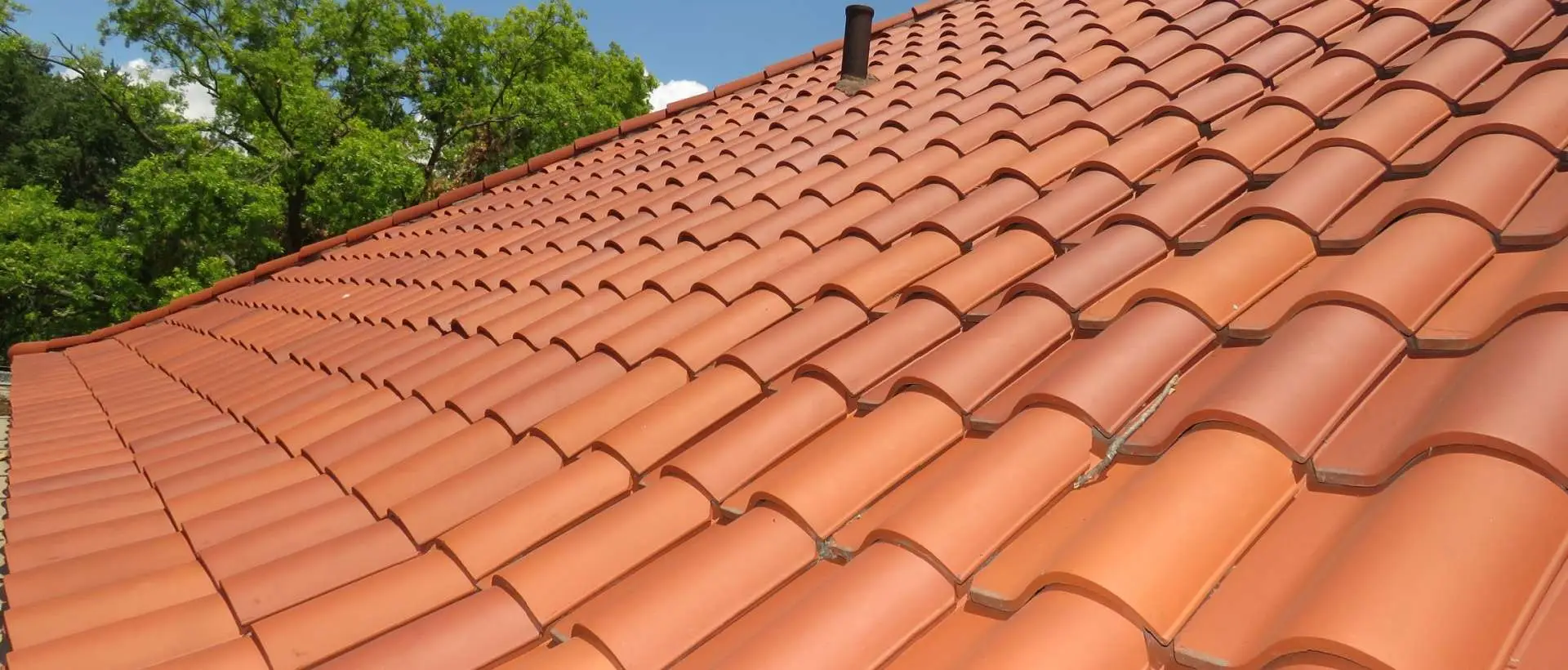
Roof repair: 1-3 days
- Depends on damage extent and material availability
Roof replacement: 2-5 days for installation
- Plus 1-4 weeks for permit approval
- Plus material ordering (often 1-2 weeks)
- Total: 3-6 weeks from contract to completion
Kitchen Projects
Kitchen renovation (cosmetic): 3-6 weeks
- Cabinet refacing, countertops, appliances, paint
Kitchen remodel (full): 8-16 weeks
- Layout changes, cabinet replacement, plumbing/electrical work
- Permit and inspection requirements add time
Bathroom Projects
Bathroom renovation: 2-4 weeks
- Fixture replacement, tile, vanity
Bathroom remodel: 4-8 weeks
- Layout changes, plumbing relocation, shower replacement
Room Additions
Typical room addition: 4-6 months
- Design and engineering: 2-4 weeks
- Permit approval: 2-6 weeks
- Foundation: 1-2 weeks
- Framing and roofing: 2-4 weeks
- Rough mechanical: 2-3 weeks
- Finishes: 4-6 weeks
- Inspections throughout add time between phases
Whole-House Renovation
Major renovation: 4-8 months
- Depends heavily on scope
- Multiple permit types required
- Trades must be carefully sequenced
Project Phases
Understanding phases helps track progress.
Phase 1: Pre-Construction
Before any work begins:
- Initial consultation and assessment
- Design development (if applicable)
- Engineering (if structural work involved)
- Material selection and ordering
- Permit application and approval
- Contract finalization
Duration: 2-8 weeks depending on project complexity
This phase often takes longer than homeowners expect but prevents problems during construction.
Phase 2: Demolition and Preparation
Removing existing elements and preparing the site:
- Protection of areas not being renovated
- Demolition of elements being replaced
- Disposal of debris
- Preparation of substrate for new work
Duration: 1-2 weeks for most projects
Phase 3: Rough Work
Installing what goes behind walls and above ceilings:
- Framing modifications
- Rough electrical (wiring)
- Rough plumbing (pipes)
- HVAC ductwork
- Insulation
Each trade requires separate inspection before covering.
Duration: 2-4 weeks for typical renovation
Phase 4: Finish Work
The visible work that creates the final result:
- Drywall installation and finishing
- Painting (multiple coats with drying time)
- Flooring installation
- Cabinet and trim installation
- Fixture and appliance installation
- Finish electrical and plumbing connections
Duration: 3-6 weeks for typical renovation
Phase 5: Completion
Wrapping up the project:
- Final inspections
- Punch list creation and completion
- Final cleaning
- Walkthrough and handover
- Documentation delivery
Duration: 1-2 weeks
Common Delay Factors
Understanding delay causes helps maintain realistic expectations.
Permit Delays
Permit timelines vary and aren't fully controllable:
- Plan review backlogs at building department
- Revision requests for code compliance
- Multiple departments needing to approve
- Inspector availability for field inspections
Mitigation: Work with contractors experienced with local requirements. Submit complete, accurate permit applications.
Material Delays
Supply chain issues affect many products:
- Custom windows often 4-8+ weeks
- Specialty fixtures and finishes
- Appliances (especially during shortages)
- Specific tile, stone, or countertop selections
Mitigation: Select materials early. Consider alternatives with better availability. Order early.
Weather Delays
Florida weather creates challenges:
- Afternoon thunderstorms (summer)
- Hurricane season disruptions
- Occasional cold snaps affecting concrete
- Extended rain periods
Mitigation: Plan exterior work for dry season when possible. Build buffer time into schedules.
Discovery Issues
Problems revealed during construction:
- Hidden water damage or rot
- Undocumented previous work
- Structural issues not visible before demolition
- Outdated electrical or plumbing needing update
Mitigation: Thorough pre-project assessment. Contingency in budget and timeline.
Change Orders
Scope changes during construction:
- Homeowner-requested additions
- Design modifications
- Upgraded selections
Mitigation: Make final decisions before construction. Resist scope creep during project.
Subcontractor Scheduling
Coordinating multiple trades:
- Subcontractor availability varies
- Sequence requirements create dependencies
- Weather and delays ripple through schedules
Mitigation: Work with contractors who have reliable subcontractor relationships.
Setting Realistic Expectations
How to approach project timelines productively.
Before Starting
- Ask for realistic timeline, not best-case scenario
- Understand what phases are involved
- Identify known delay risks
- Add 20-30% buffer to quoted timeline
- Discuss communication expectations
During Project
- Expect some delays—they're normal
- Ask about causes rather than just expressing frustration
- Make decisions promptly when asked
- Avoid changes that extend timeline
- Stay in regular communication
Tracking Progress
Healthy project signs:
- Regular communication from contractor
- Consistent crew presence during appropriate phases
- Visible progress matching expectations
- Inspections being scheduled and passed
- Materials arriving as needed
Concerns to address:
- Extended periods with no work and no explanation
- Repeated inspection failures
- Different crew each day with no continuity
- Materials not on site when needed
- Contractor hard to reach
Communication Best Practices
Good communication prevents misunderstandings.
Establish expectations:
- How often will you receive updates?
- Who is your primary contact?
- What's the best way to reach them?
- How quickly should you expect responses?
During project:
- Regular scheduled check-ins
- Written documentation of discussions
- Clear change order process
- Prompt decision-making on your part
Florida-Specific Factors
Florida conditions uniquely affect timelines.
Hurricane season (June-November):
- Storm preparation may pause work
- Post-storm demand surges delay scheduled work
- Material shortages after active seasons
Summer challenges:
- Daily afternoon storms limit exterior work
- Heat affects worker productivity
- Some materials have temperature limits for installation
Winter advantages:
- Best weather for exterior work
- More predictable conditions
- Potentially better contractor availability
Snowbird season:
- Increased demand October-April
- More competition for contractor time
- Plan ahead for winter projects
Pro Specialty Services provides project management and home renovation services throughout Lake County. We believe in setting honest timeline expectations from the start, maintaining clear communication throughout, and delivering quality work on realistic schedules.
Caleb Hutchinson
Owner, Pro Specialty Services
"Timelines are where trust gets built or broken. I never give a timeline I don't believe in just to win a job. If a project will take three months, I tell the customer three months—not two months hoping we get lucky. Honest expectations from day one make for happier customers."